
Cooking with Himalayan Pink Salt: A Culinary Salt Guide
Himalayan pink salt has moved well beyond its wellness-aisle reputation and into serious kitchens. Cooks value it less for any nutritional edge, since there is no meaningful one, and more for its texture, its appearance and its versatility as a cooking tool. This guide looks at how it is actually used.
Himalayan Salt as a Seasoning
Finely ground Himalayan salt works much like table salt for everyday seasoning. Its trace mineral content gives it a very subtly different flavour, which some cooks prefer for finishing dishes rather than for cooking.
It is not typically iodised, so it is a common pick for cooks who like the taste of non-iodised salt or who get their iodine from other parts of their diet.
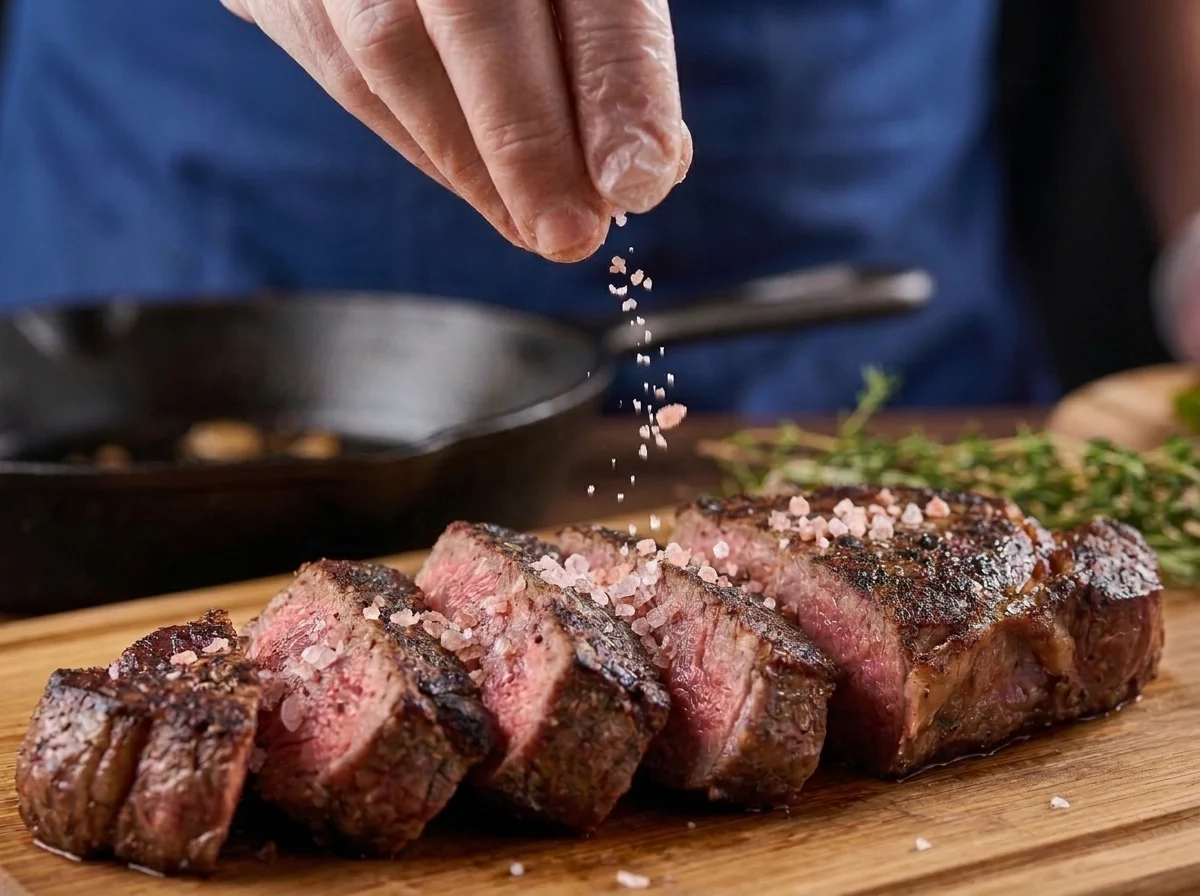
Coarse Crystals as a Finishing Salt
Coarser crystals are popular as a finishing salt, sprinkled over a dish just before serving rather than added during cooking. The larger crystals give bursts of salinity and a pleasant crunch, and they dissolve more slowly on the tongue than fine salt. That is part of why they turn up as a garnish on everything from steak to caramel desserts.
Cooking on a Himalayan Salt Block
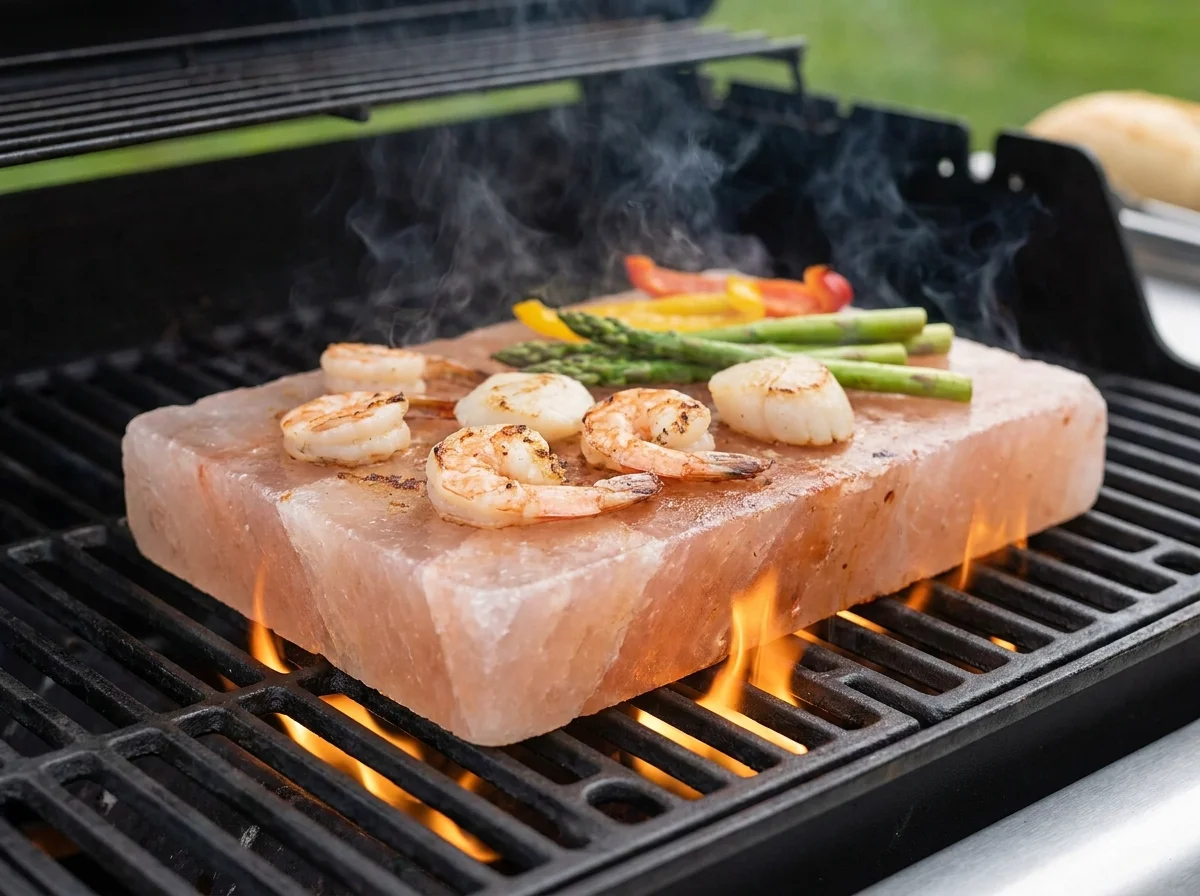
One of the more distinctive uses is cooking directly on a solid slab of Himalayan salt, heated on a grill, a stovetop or in an oven. The dense block holds heat well and gives food a mild, even seasoning. Thin cuts of meat, seafood and vegetables are commonly prepared this way.
Salt blocks can also be chilled and used as a serving surface for cold dishes such as sushi or fruit. The cold slab keeps the food fresh and adds a very light salt note.
Handling and Care Tips
• Heat and cool salt blocks gradually, because rapid temperature changes can crack them.
• Clean a salt block by wiping it with a damp cloth. Do not soak it, as prolonged contact with water will dissolve the surface.
• Store culinary salt in a dry, sealed container. It is naturally hygroscopic and will absorb moisture from the air over time.
• Keep coarse and fine grinds for different jobs instead of relying on one all-purpose grind, since texture affects both function and presentation.
Substituting Himalayan Salt in Recipes
In most recipes, Himalayan salt can replace table salt or sea salt by weight. Cooks who measure by volume should be careful, because coarser grinds take up more space per gram than fine salt. A straight teaspoon-for-teaspoon swap can leave a dish under-seasoned if you are used to fine table salt.
Saremco Impex supplies culinary-grade Himalayan pink salt in a range of grinds, from fine table use through to cooking blocks, for food service and retail buyers. To request samples or discuss packaging, contact Saremco Impex.