
Bulk Rice Export from Pakistan: A Buyer's Checklist
A first bulk rice order from Pakistan, or an order from a supplier you have not used before, involves more moving parts than most commodity purchases. Grain specification, documents, payment terms, inspection and logistics all need to line up before the order is confirmed. This checklist walks international buyers through the questions and steps worth settling first.
1. Define Your Product Requirements Clearly
Have a written specification ready before you contact suppliers. It should cover:
• Variety: 1121 basmati, Super Kernel basmati, IRRI-6, IRRI-9, PK-386 or another.
• Processing type: White (raw), steam, sella (parboiled) or golden sella.
• Grain length: The required average grain length in mm.
• Broken percentage: The maximum acceptable broken content, such as 2%, 5% or 25%.
• Moisture content: The maximum acceptable percentage.
• Sortex cleaning: Whether 100% sortex cleaning is required.
• Packaging: Bag type (PP, non-woven, BOPP or jute), weight per bag (25 kg or 50 kg), and whether custom or private label branding is needed.
The more precisely you specify the product at the start, the less room there is for misunderstanding about what ships.
2. Verify the Supplier
Pakistani exporters do not all offer the same capabilities. Before a first order:
• Ask for company registration documents and export history.
• Request references from other international buyers, particularly in your target region.
• Confirm the milling facility. Does the exporter own or source from a certified mill with sortex cleaning, proper storage and moisture control?
• Check that the supplier is registered with the relevant Pakistani export authorities and has experience shipping to your destination market.
3. Request a Pre-Shipment Sample
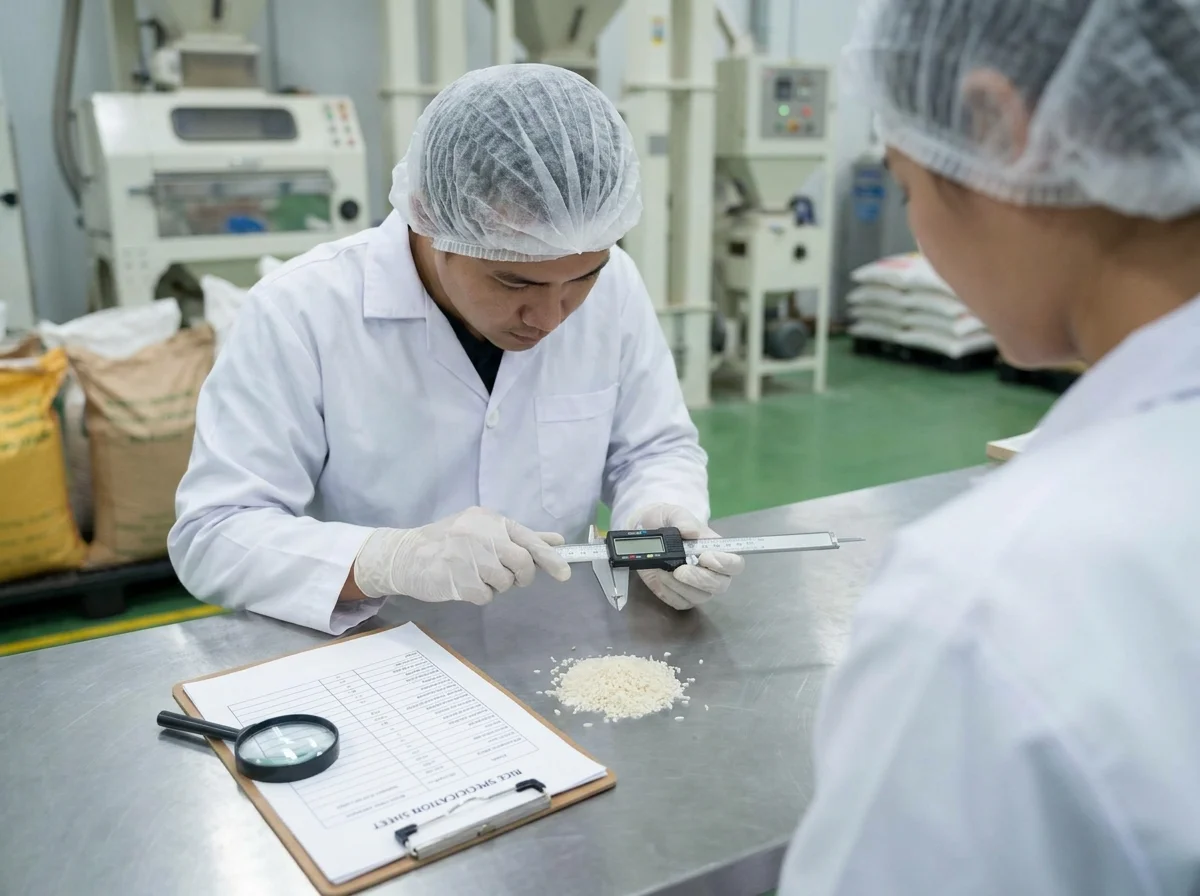
Ask for a sample from the actual production batch on offer, not a reference or showcase sample. A genuine production sample lets you:
• Verify grain length, colour and, for basmati, aroma.
• Test moisture content and broken percentage independently if needed.
• Check for foreign matter, discolouration and pest damage.
• Assess cooking behaviour before committing to a commercial order.
Sampling is standard industry practice, and a reputable supplier will not hesitate.
4. Confirm Documentation Requirements for Your Market
Depending on the destination country, you may need some or all of these:
• Phytosanitary certificate (required for virtually all markets)
• Certificate of origin, generic or country-specific (for example, GSP Form A for preferential duty access)
• Certificate of authenticity (required for the EU basmati preferential tariff)
• Pre-shipment fumigation certificate (required for markets such as Australia)
• Halal certificate (required in many Middle Eastern and Muslim-majority markets)
• Third-party inspection report from SGS, Intertek, Bureau Veritas or PCSIR, often specified by the buyer
• Health or food safety certificate, depending on the market
Check with your customs broker or freight forwarder which documents your import port and commodity code require before the order is placed.
5. Agree Payment Terms and Incoterms
Rice from Pakistan is commonly traded FOB (Free on Board) Karachi or Port Qasim, which means the buyer pays freight and insurance from the Pakistani port. Some exporters also offer CIF (Cost, Insurance and Freight). Whichever applies, be clear about what the quoted price includes.
Common payment methods are Letter of Credit (LC), Documents Against Payment (D/P), and advance payment for smaller orders with established suppliers. A buyer new to a supplier should consider an irrevocable LC from a reputable bank as security. The International Chamber of Commerce publishes guidance on international trade payment instruments.
6. Arrange Pre-Shipment Inspection
For larger orders, arrange an independent inspection before the rice is loaded. A third-party agency can verify:
• That the product matches the agreed specification.
• Net weight and container loading.
• Packaging integrity and labelling compliance.
• Basic pest and quality conditions.
Inspection usually costs little compared with the value of a container, and it greatly reduces the risk of receiving a non-conforming cargo.
7. Plan Storage at Destination
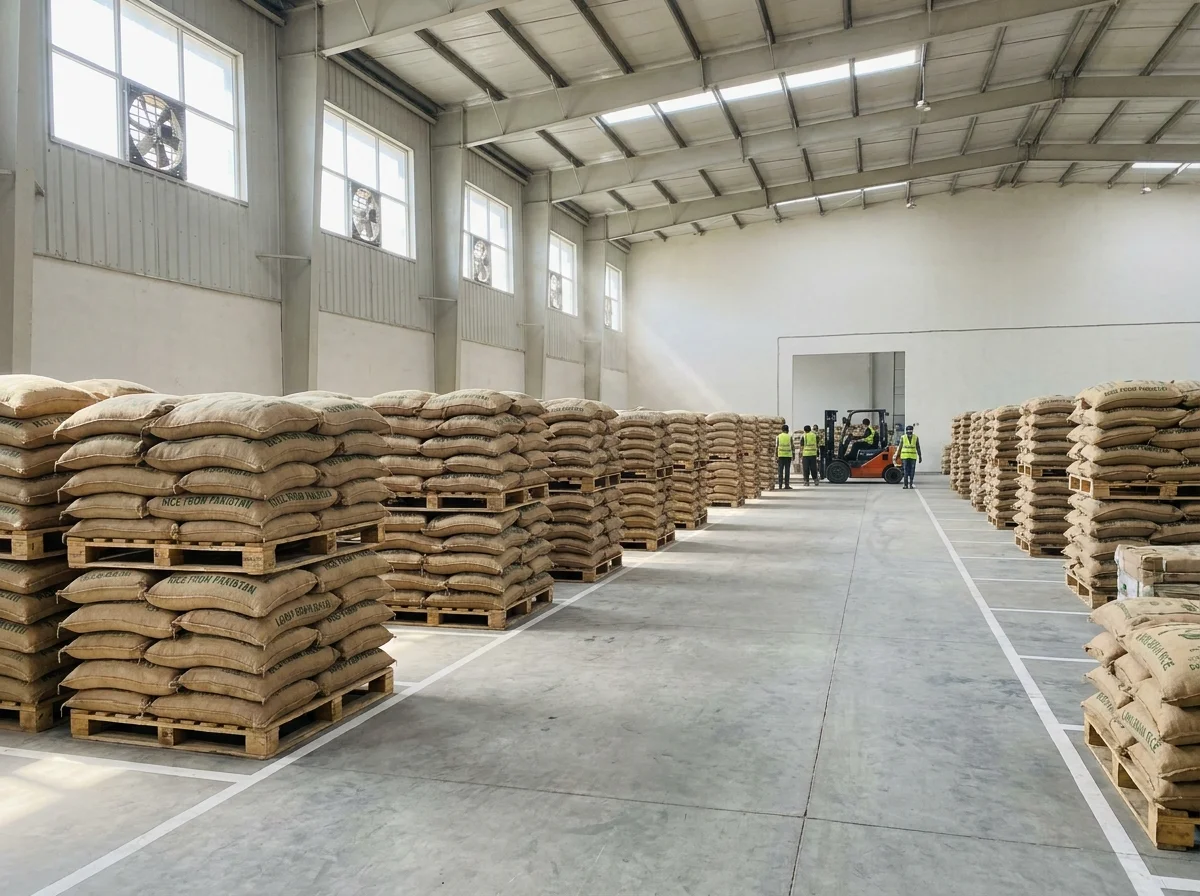
Rice needs proper storage to hold its quality after arrival. The warehouse should be clean, dry, ventilated and free from pests. Parboiled (sella) rice is more forgiving because it is less sensitive to moisture. White steam basmati needs closer control of temperature and humidity, especially in tropical climates.
Saremco Impex works with international buyers to align specifications, documentation and logistics on bulk rice shipments from Pakistan. To start a sourcing enquiry, visit saremcoimpex.com.