
Biomass Sawdust Export from Pakistan: A Practical Buyer's Guide
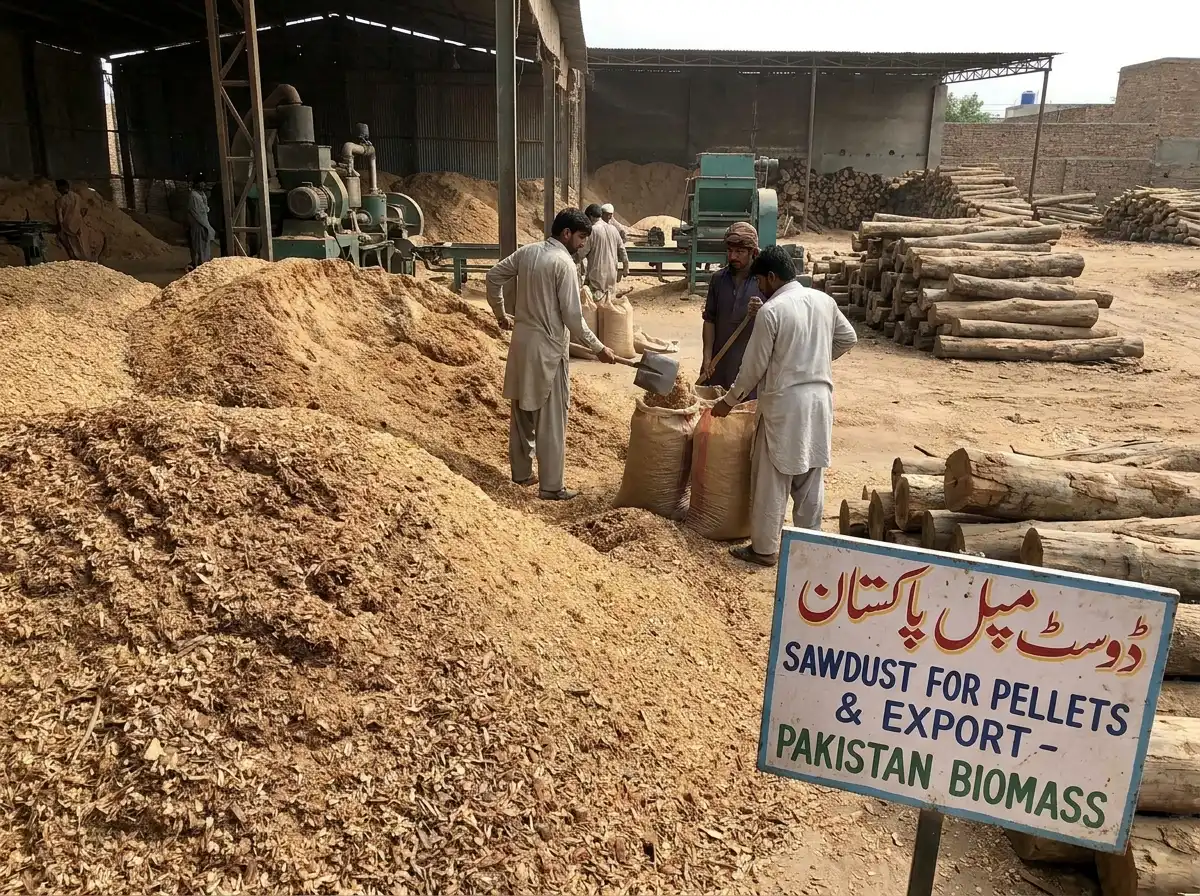
Sawdust doesn't come from farms, but it sits firmly within the broader biomass category that international buyers increasingly source from Pakistan alongside corn cob and sugarcane residues. Generated by timber processing, furniture manufacturing, and sawmilling operations, it has a steady industrial demand base driven by pellet production, briquette manufacturing, particleboard, and direct combustion fuel. Its appeal is that no single end use dominates the market — which makes for more resilient demand.
Industrial Uses for Biomass Sawdust
The primary uses for export-grade sawdust are fuel pellet production, wood briquettes, particleboard and MDF manufacturing, and direct combustion. Buyers processing sawdust into pellets or board typically want raw material they can control, rather than finished products — which positions Pakistan's raw sawdust supply against the needs of manufacturers rather than end users.
Quality Factors That Matter to Buyers
Species and Wood Type
Softwood and hardwood sawdust behave differently in combustion and pelletising. Buyers should confirm what species mix a shipment contains, particularly for fuel pellet production where consistency directly affects calorific value and pellet durability.
Moisture Content
Fresh sawdust from a sawmill can carry high moisture content, which affects both weight-based shipping costs and suitability for pelletising. Kiln-dried or air-dried sawdust is generally preferred for export. This is worth clarifying upfront, since drying adds cost but significantly improves the usability of the material on arrival.
Contamination
Clean sawdust should be free from bark, dirt, metal fragments, and residue from treated or painted wood. Contamination affects both combustion quality and the equipment used in further processing. Buyers should ask for a contamination declaration or test report, particularly when the sawdust is destined for pellet production where equipment damage from metal contamination is a real operational risk.
Particle Size Consistency
Depending on the end use, buyers may specify a particular particle size range — finer material for pelletising, coarser for direct combustion or bedding applications. Confirm this with the supplier before ordering, since particle sizing can vary considerably between mills.
Global Demand for Sawdust as Biomass Feedstock
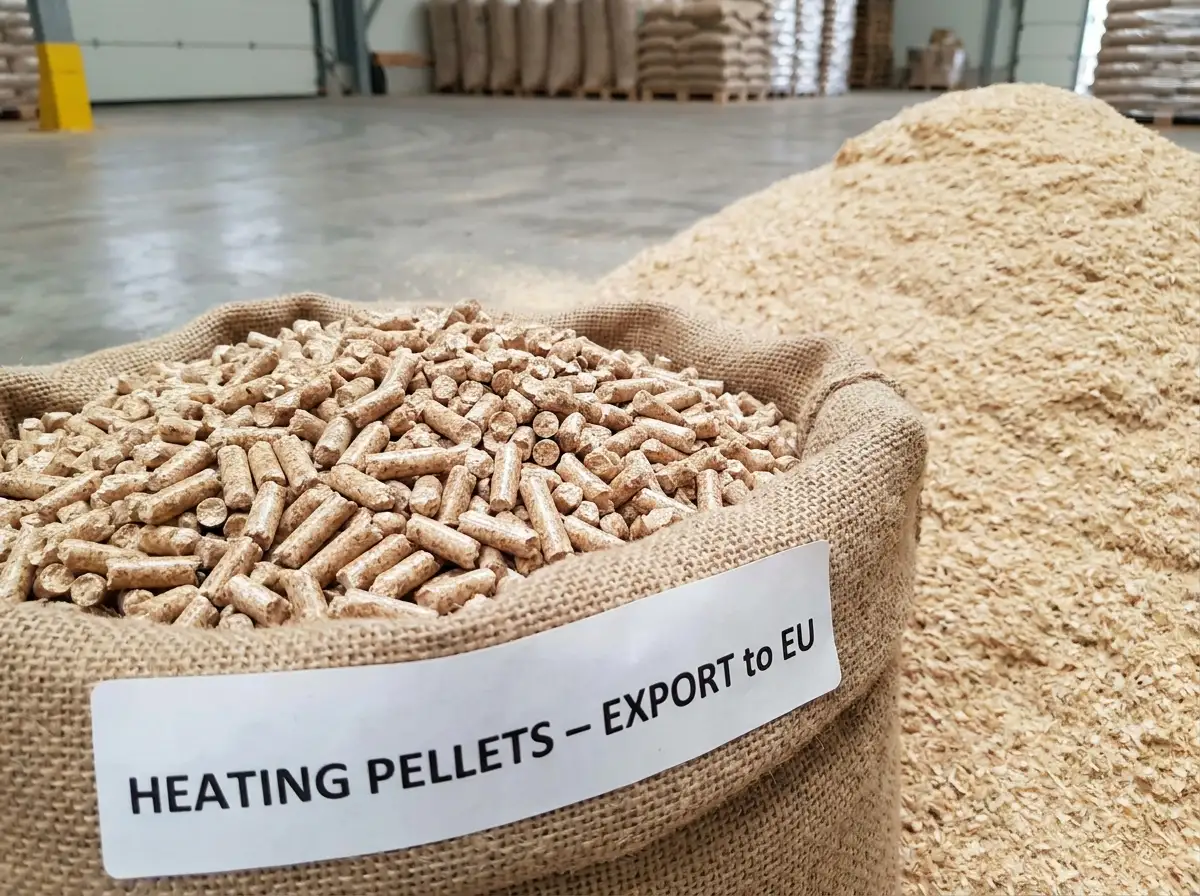
Much of the global appetite for processed wood biomass — pellets in particular — is concentrated in Europe, where residential and industrial heating increasingly relies on certified biomass fuel. The ENplus certification scheme, developed by the European Pellet Council, has become the reference quality standard for wood pellets sold into European markets, and raw sawdust feeds directly into that supply chain for producers seeking certified finished product.
Buyers sourcing raw sawdust rather than finished pellets typically fall into a different category: pelletising and board manufacturers who want control over their own processing. This distinction matters when discussing specifications with a supplier, since raw sawdust and certified finished pellets are priced and handled very differently.
Sourcing Sawdust from Pakistan
Pakistan's timber processing, furniture, and construction sectors generate a steady volume of sawdust, much of which has historically gone underused domestically. Daa Agri Limited connects international buyers with sawdust suppliers in Pakistan and can help coordinate species specification, drying requirements, and export documentation for both trial and bulk orders.