
Biomass Fuel Export from Pakistan: Pellets, Briquettes, and Bio-Coal Explained
Ask three buyers what they mean by “biomass fuel” and you’ll likely get three different answers. Pellets, briquettes, and bio-coal all fall under the same broad umbrella, but they’re produced differently, suit different equipment, and are priced differently as a result. For anyone new to sourcing biomass fuel from Pakistan, getting these distinctions straight early on saves a lot of back-and-forth with suppliers later.
Pellets: Small, Dense, and Built for Automation
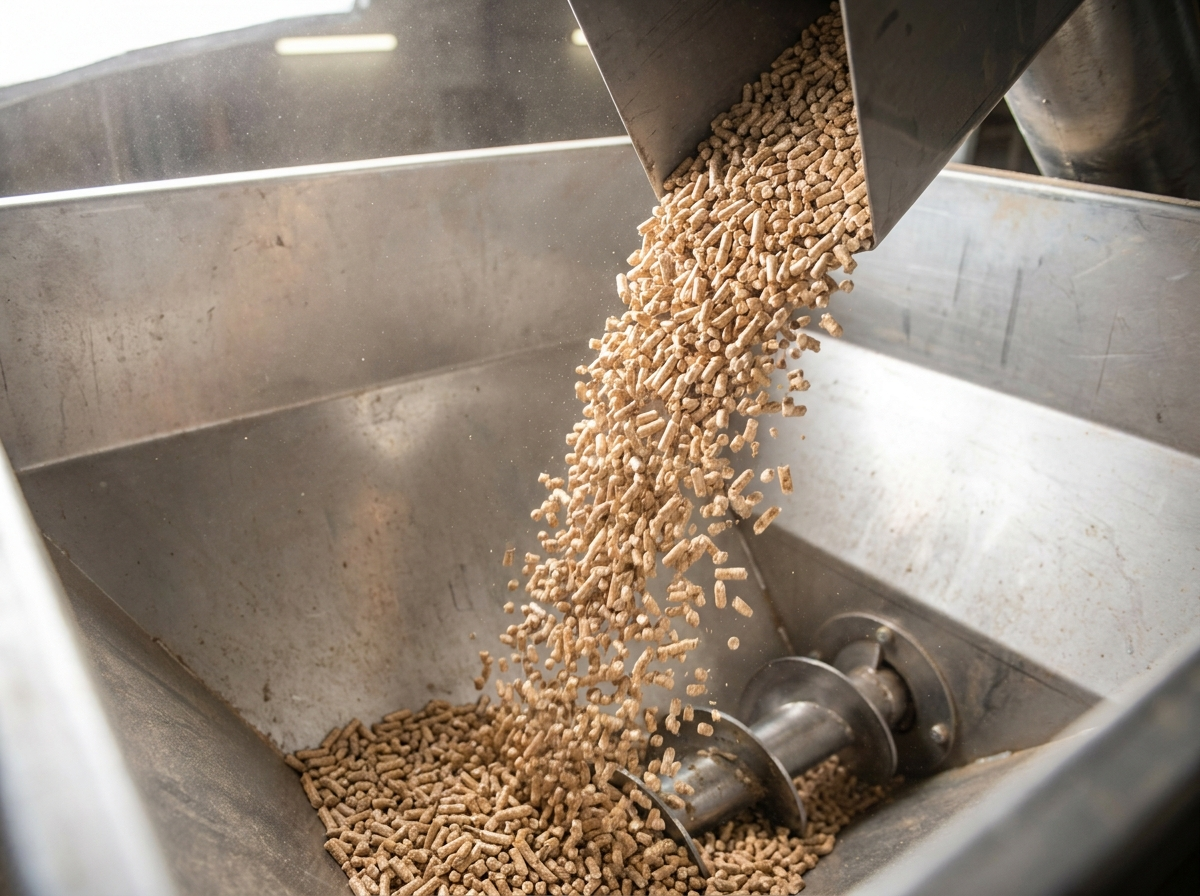
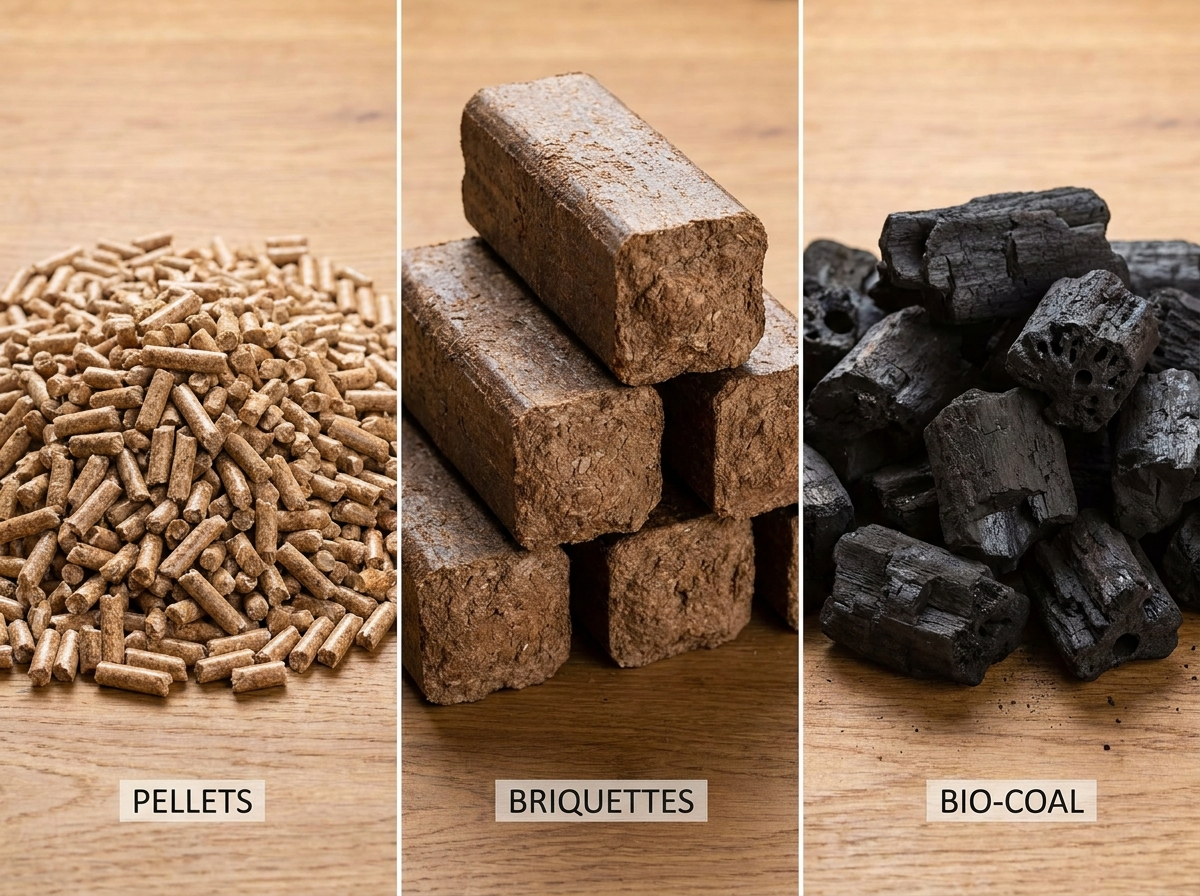
Pellets are the most standardised of the three products, typically produced at 6mm to 8mm in diameter under fairly strict moisture and ash tolerances — particularly for markets governed by certification schemes like ENplus. That small, uniform size is exactly what makes them work well in automated feed systems, from household pellet stoves right up to large combined heat and power plants.
Briquettes: Larger, Cheaper, Still Efficient
Briquettes are generally larger in diameter than pellets and can be made from coarser raw material, which is what keeps production costs down. Their energy content per kilogram is broadly comparable to pellets, but they’re better suited to manual-feed or industrial boiler systems than to the fully automated small-scale appliances pellets are designed for.
Bio-Coal: The Closest Thing to a Direct Coal Substitute
Bio-coal goes a step beyond simple densification. It’s torrefied — put through a mild heat-treatment process that increases energy density and gives it handling characteristics much closer to mined coal. Of the three, it’s the newest and most technically demanding to produce, but it also offers buyers the closest drop-in replacement for coal in existing combustion systems.
Comparing the Three at a Glance
If you’re weighing which of the three fits your operation, the practical differences mostly come down to equipment compatibility and how much you’re willing to pay for consistency:
• Pellets — most uniform in size, best suited to automated systems, generally the highest cost per tonne.
• Briquettes — larger and less uniform, well suited to manual-feed or industrial boilers, generally lower cost than pellets.
• Bio-coal — closest in handling and burn characteristics to coal itself, still a developing category with fewer suppliers and higher production costs.
Choosing the Right Product for Your Application
The right choice ultimately comes down to what combustion equipment you’re feeding and how much you’re prepared to pay for consistency and certification. A buyer running a modern automated pellet boiler generally has no real substitute for certified pellets. An industrial boiler operator with more flexible feed equipment, on the other hand, may find that briquettes deliver comparable heat output at a lower landed cost.
Pakistan’s Position Across the Category
Pakistan’s raw material base — corn cob, sugarcane bagasse, rice husk, cotton residue, and sawdust — supports all three biomass fuel categories. Production capacity and export experience currently vary between them, though, with pellets and briquettes considerably more established than bio-coal at this stage.
Sourcing Biomass Fuel from Pakistan
Daa Agri Limited works with processors across Pakistan’s biomass sector and helps international buyers identify which fuel category — pellets, briquettes, or bio-coal — best fits their equipment and market, then connects them with suppliers matched to that specification.