
Bio-Coal Export from Pakistan: A Sustainable Alternative Fuel for International Markets
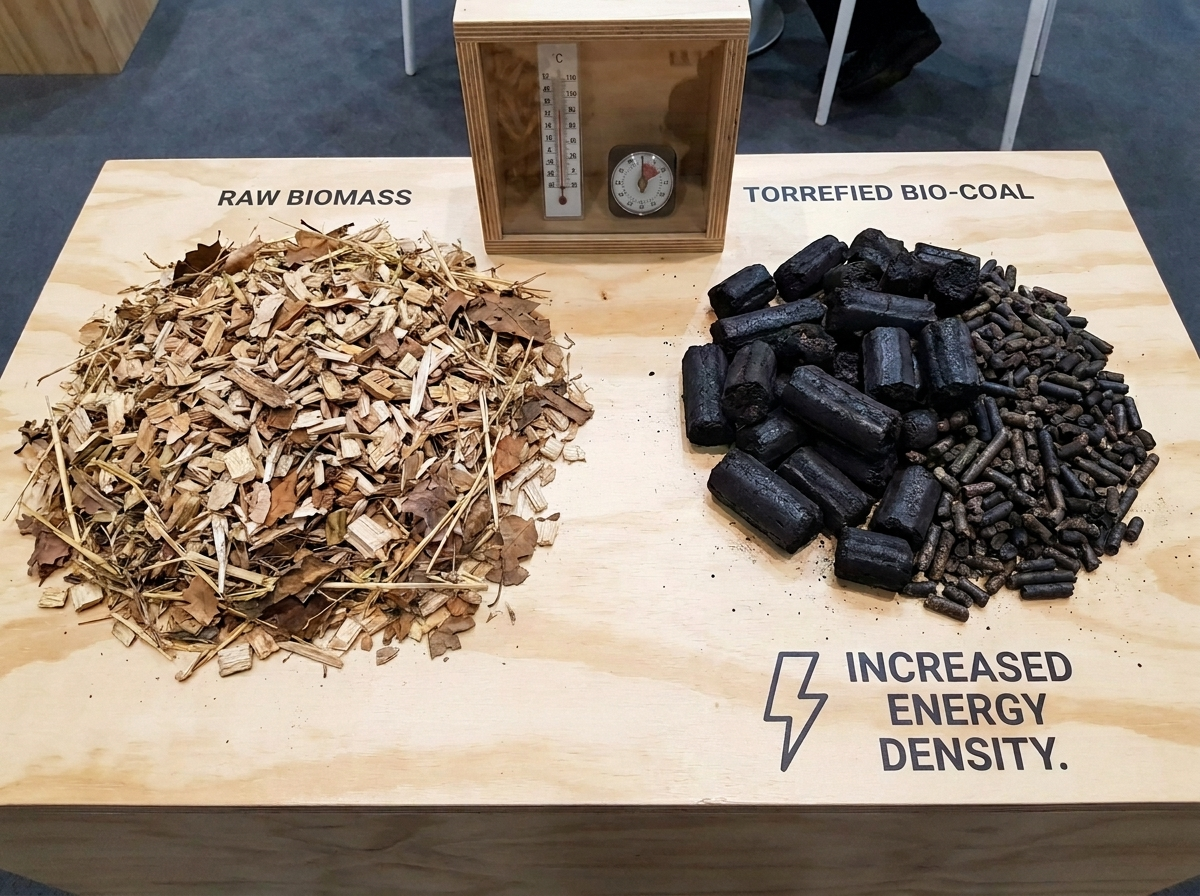
Bio-coal takes biomass processing a step further than pelletising or briquetting. It’s produced through torrefaction, a heat treatment process that strips out moisture and volatile compounds and leaves behind a denser material that behaves much more like coal. It burns hotter, handles more like coal on-site, and in some cases can go straight into existing coal-fired equipment with little or no modification — which is precisely why utilities and industrial buyers are paying closer attention to it as a transition fuel.
What Bio-Coal Actually Is
Torrefaction is a mild form of pyrolysis, typically carried out somewhere between roughly 200°C and 300°C in a low-oxygen environment. That process changes the physical and energetic properties of biomass enough that the end product resembles conventional coal far more closely than raw biomass ever could. The result has meaningfully higher energy density than untreated biomass, and it’s easier to store, handle, and burn as a result.
This isn’t just a theoretical possibility. A demonstration plant in Belgium, developed under the EU’s Torero project, converts roughly 88,000 tonnes of waste wood annually into about 37,500 tonnes of bio-coal, which is then used to replace pulverised coal in blast furnaces. It’s a useful reference point for what torrefaction can achieve at industrial scale.
Feedstocks That Work for Bio-Coal Production
Bio-coal can be produced from a range of biomass sources, including agricultural residue, sawdust, and waste wood. Pakistan already processes substantial volumes of corn cob, sugarcane bagasse, and sawdust into other biomass products, so torrefaction represents a logical next processing step for the same raw material base. That said, it’s worth being realistic about the investment involved — the technology and capital requirements for torrefaction are considerably more significant than what’s needed for pelletising or briquetting.
A Category Still Taking Shape
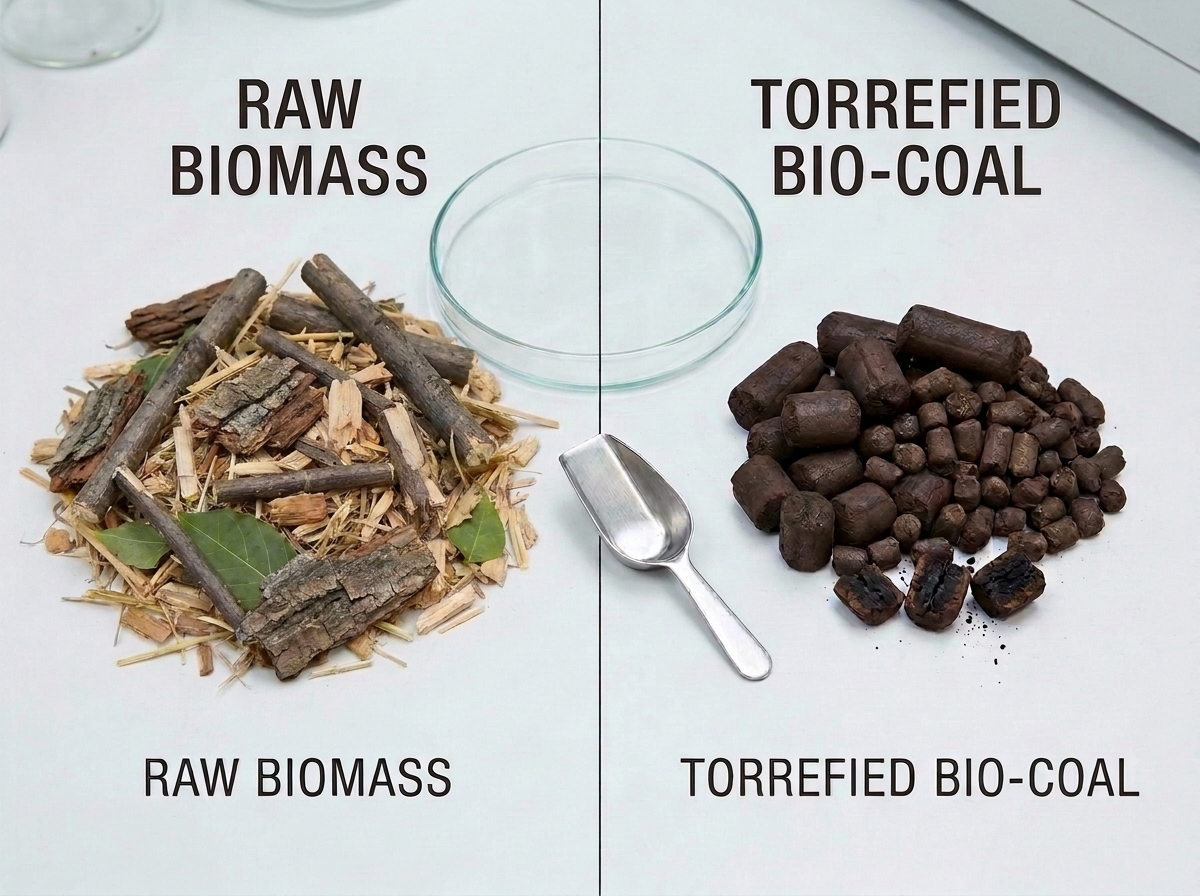
Bio-coal remains a smaller and more specialised category than pellets or briquettes, and production capacity in Pakistan is still developing relative to more established torrefaction operations elsewhere in the world. For buyers thinking about long-term alternatives to imported coal, though, it’s a category worth keeping on the radar as processing investment in the region continues to build.
Sourcing Bio-Coal from Pakistan
Daa Agri Limited follows developments across Pakistan’s biomass processing sector, including bio-coal production, and helps international buyers connect with suppliers as capacity comes online — alongside more established products like pellets, briquettes, and raw biomass residues.