Agricultural Products Export from Pakistan: A Practical Guide for International Buyers
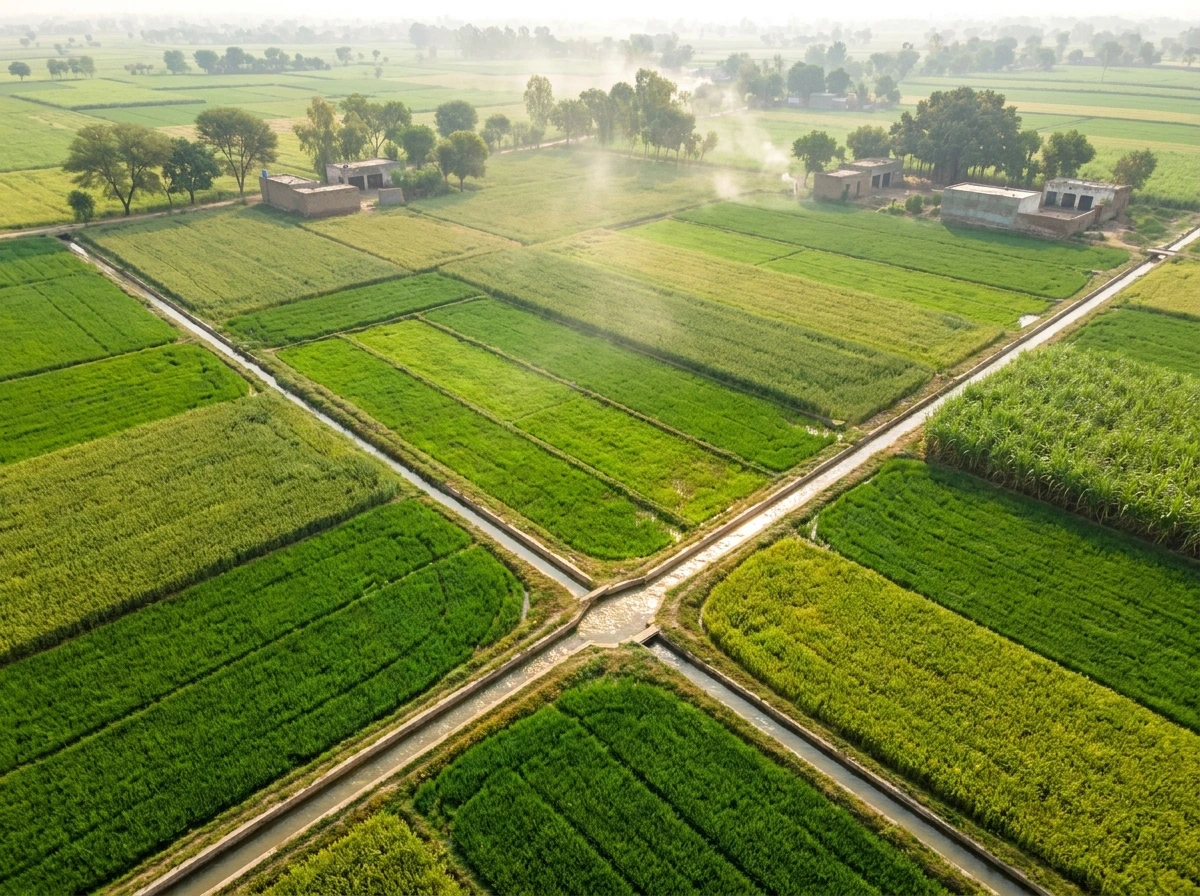
Pakistan has long been an agricultural country, and that agricultural base has built a substantial export pipeline. Rice, cotton, wheat, sugarcane, fruit, and a growing range of processed agricultural by-products leave Pakistani ports every year, reaching supply chains across the Middle East, East Asia, Europe, and parts of Africa. For a buyer outside the country, the practical questions cut through the macroeconomics fairly quickly: what can actually be sourced reliably, what does the documentation process look like, and who is worth trusting with a long-term supply relationship?
This guide covers what international buyers should know before sourcing agricultural products from Pakistan — the product categories that make sense to evaluate, the quality checks worth doing, and how to find a partner who understands the logistics well enough to get shipments across the finish line without surprises.
Why Pakistan Is Worth Considering as a Sourcing Origin
Pakistan ranks among the larger rice-producing countries globally, and rice remains the country's most recognisable agricultural export alongside cotton, fruit, and vegetables. The USDA Foreign Agricultural Service tracks Pakistan's grain output and trade flows consistently, and its reporting reflects a country that — despite periodic weather disruptions — maintains a reliable export pipeline for staple crops.
What often gets less attention is the secondary layer of the agricultural economy: the by-products generated during crop processing. Corn cob derivatives, sugarcane residues, rice husk, and similar biomass materials are increasingly finding buyers in sectors with no direct connection to food — animal bedding, industrial fillers, biofuel, and abrasive media among them. For Pakistan-based exporters, this diversification is opening conversations with buyers who were not traditionally part of the country's trade picture.
Key Product Categories Worth Evaluating
Staple and Cash Crops
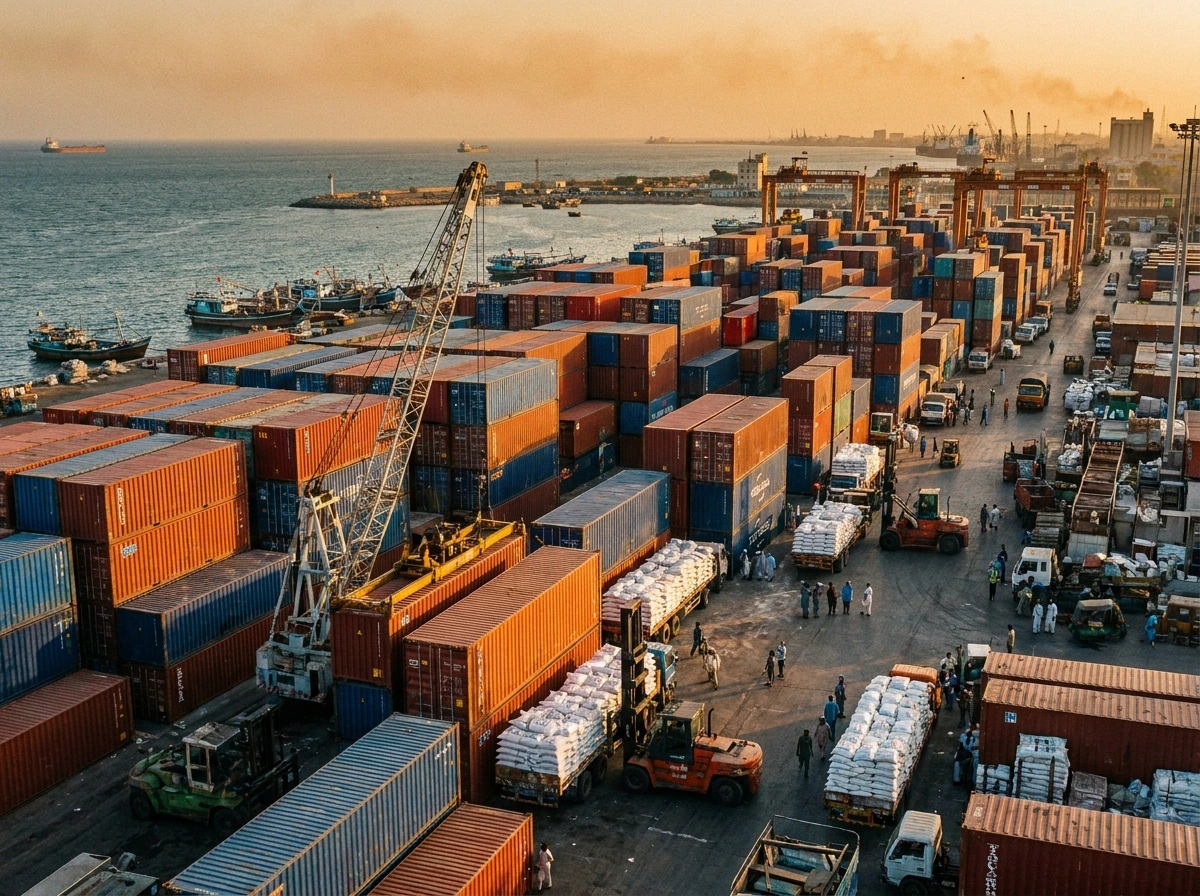
Rice, cotton, wheat, and sugarcane form the core of Pakistan's agricultural output, and each has an established export infrastructure — from ginning and milling facilities to port-handling capacity at Karachi. Buyers in this space generally find a well-worn procurement path compared to newer categories.
Fruits and Vegetables
Mangoes, citrus, and a range of vegetables move seasonally to Gulf and European markets, typically through a combination of air and sea freight depending on shelf life and destination.
Agricultural By-Products and Biomass
Corn cob, sugarcane bagasse, rice husk, and similar residues are processed into pellets, granules, meal, and briquettes for buyers in animal feed, industrial abrasives, and renewable fuel sectors. This category tends to be less competitive than staple crop exports, which can translate to more responsive supplier relationships and better pricing flexibility.
What Buyers Should Check Before Committing
The Pakistan Bureau of Statistics publishes periodic trade data that can help buyers cross-check volume trends before entering a long-term sourcing agreement. It is worth reviewing alongside any supplier's own claims, particularly for categories where production can vary year to year.
Documentation requirements vary depending on the importing country's standards, but most agricultural shipments from Pakistan will involve phytosanitary certificates, certificates of origin, packing lists, and commercial invoices as a minimum. Buyers should clarify any additional testing or certification requirements with their customs agent before shipment.
Working with a Sourcing Partner
Agricultural trade from Pakistan spans dozens of product categories and hundreds of small and mid-sized producers. Many international buyers find it more practical to work through a platform that has already vetted suppliers, handled documentation, and understands export logistics from the ground up. Daa Agri Limited works with buyers looking to source agricultural products, corn cob derivatives, and biomass materials from Pakistan, connecting serious importers with suppliers matched to their specifications and volume requirements.
If you are evaluating Pakistan as a sourcing origin, the most useful starting point is a clear specification sheet and a short list of questions for any potential supplier. The answers will tell you more about a supplier's reliability than a brochure or website ever will.