 Agricultural Products
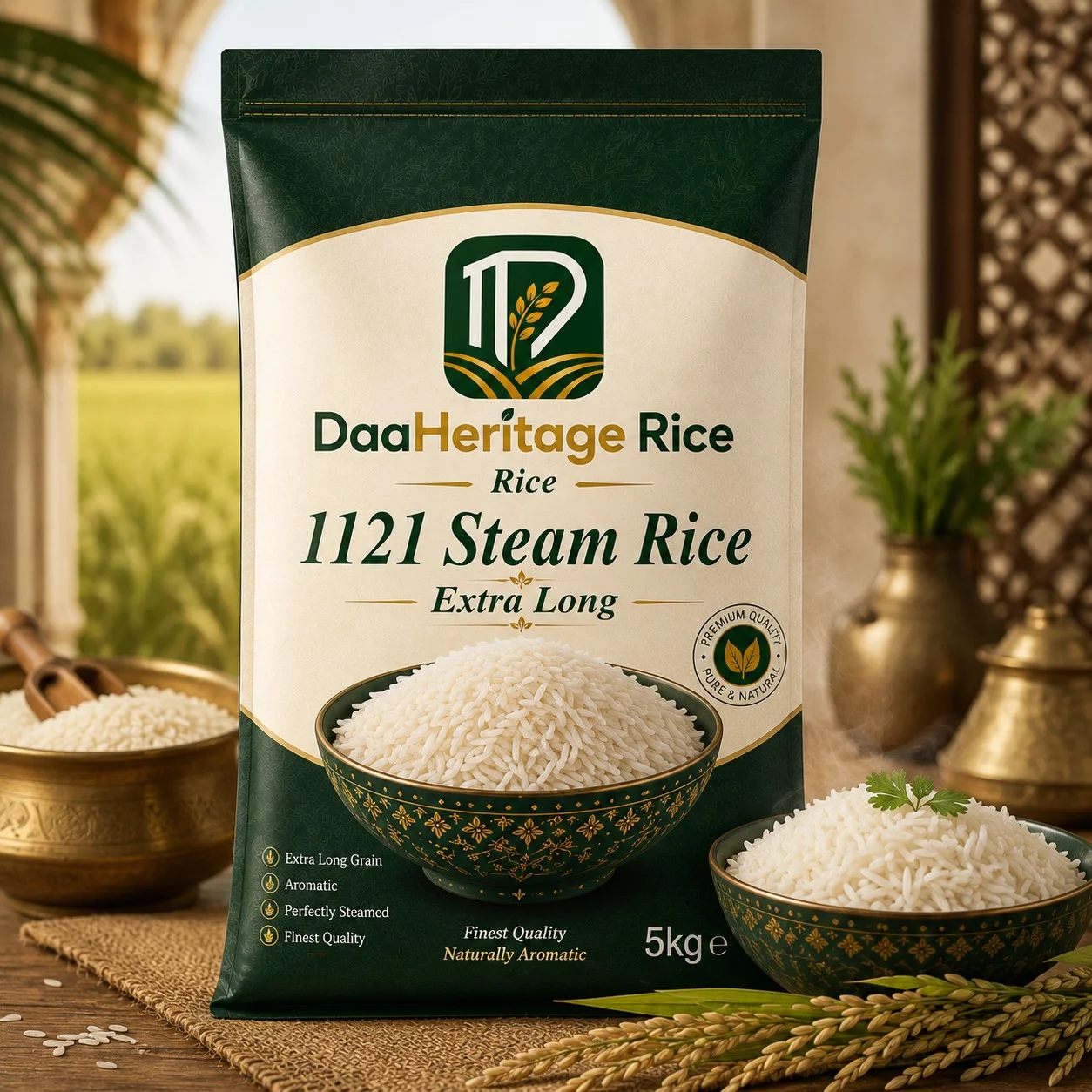
DaaHeritage 1121 Rice
DaaHeritage 1121 Basmati rice. Extra-long grain, available in White, S...
Inquire Now
Find minerals, agricultural goods and more
Compressed biomass pellets from Pakistan for heating, power generation and industrial fuel
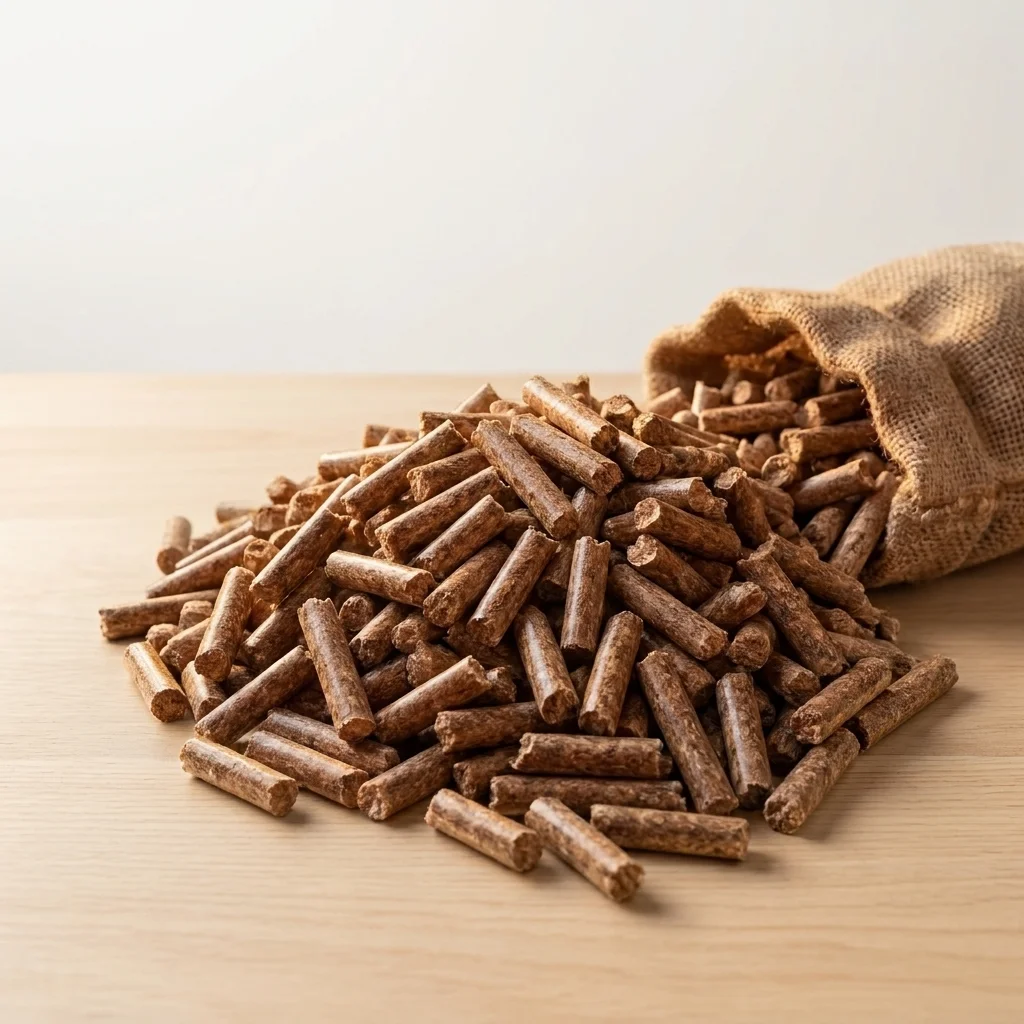
Biomass pellets from Pakistan. 6 mm and 8 mm diameter. High calorific value, low ash. Price on inquiry, shipped from Karachi.
Biomass pellets are manufactured by drying, grinding, and compressing biomass feedstock through a ring die or flat die pellet mill at pressures exceeding 2,000 kg/cm². The heat and pressure soften the natural lignin in the biomass, which acts as a binding agent, producing hard, dense, uniform cylindrical pellets with smooth surfaces. Pellets are the most refined and standardized form of solid biomass fuel, designed for automated feed systems in pellet boilers, stoves, and industrial burners. Pakistan’s diverse agricultural and wood waste streams provide a wide range of feedstock options for pellet manufacturing.
Material: Compressed agricultural/wood biomass
Diameter: 6 mm (standard), 8 mm (industrial)
Length: 10-30 mm
Calorific Value: 3,800-4,600 kcal/kg (feedstock-dependent)
Moisture: 5-8%
Ash Content: 1-10% (feedstock-dependent)
Volatile Matter: 70-82%
Fixed Carbon: 15-22%
Sulphur: < 0.05%
Chlorine: < 0.03%
Density: 1,000-1,300 kg/m³ (individual pellet)
Bulk Density: 600-750 kg/m³
Durability (mechanical): > 97%
Fines (< 3.15 mm): < 2%
Binder: None (natural lignin)
Colour: Light tan to dark brown (feedstock-dependent)
Sawdust/Wood Pellets
Feedstock: Clean hardwood/softwood sawdust
Calorific Value: 4,200-4,600 kcal/kg
Ash: 0.5-2%
Premium grade, closest to ENplus/DINplus standards, lowest ash and emissions
Rice Husk Pellets
Feedstock: Rice husk from rice mills
Calorific Value: 3,200-3,600 kcal/kg
Ash: 14-18%
Most abundant feedstock in Pakistan, lowest cost
Corn Cob Pellets
Feedstock: Crushed corn cob
Calorific Value: 3,800-4,200 kcal/kg
Ash: 2-4%
Good balance of calorific value, ash, and cost
Bagasse Pellets
Feedstock: Sugarcane bagasse
Calorific Value: 3,600-4,000 kcal/kg
Ash: 2-5%
Seasonal feedstock (October-March milling season), stored year-round
Mixed Agri-Waste Pellets
Feedstock: Blend of sawdust, rice husk, corn cob, bagasse, wheat straw
Calorific Value: 3,500-4,000 kcal/kg
Ash: 3-10%
Most cost-effective, year-round availability
Industrial boiler fuel: Biomass pellets are the preferred solid biomass fuel for modern automated boiler systems. Their uniform size and density allow precise feed rate control, consistent combustion, and automated ash removal. Used in textile mills, food processing plants, paper mills, chemical factories, and manufacturing operations replacing coal and furnace oil
Power generation (co-firing and dedicated): Pellets are co-fired with coal in thermal power plants or used as standalone fuel in dedicated biomass power stations. Major European and Asian utilities import biomass pellets to meet renewable energy mandates
District heating: Pellets fuel district heating boilers in residential and commercial complexes, universities, hospitals, and municipal heating systems
Residential heating: 6 mm pellets are used in residential pellet stoves and pellet boilers for home heating in Europe, North America, and East Asia
Cement and lime kiln fuel: Pellets serve as alternative fuel in cement plants and lime kilns, reducing fossil fuel dependency and qualifying for emissions reduction credits
Gasification: Uniform pellet size and density make them ideal feedstock for biomass gasifiers producing syngas for power generation and industrial heating
Steam generation: Clean-burning pellets generate process steam for food processing, pharmaceutical, and chemical manufacturing where fuel quality and emissions control are critical
Carbon credit programs: Biomass pellet production and use qualifies for carbon credits under CDM, Gold Standard, and voluntary carbon market programs
Each lot is tested for calorific value, moisture, ash content, volatile matter, fixed carbon, sulphur, chlorine, mechanical durability, bulk density, fines content, and pellet dimensions. Testing follows EN ISO 17225-6 (non-wood pellets) or EN ISO 17225-2 (wood pellets) standards where applicable. Pre-shipment samples are provided for buyer evaluation. Pellets are sourced from verified manufacturing plants with consistent feedstock drying, grinding, and pelletizing quality.
Detailed specifications are available on request. Send us your requirement and our export desk will share them.
15 kg retail bags (for residential pellet stoves)
25 kg or 50 kg PP bags, palletized and shrink-wrapped
1 MT jumbo bags
Loose bulk in lined 20' or 40' containers
Loading port: Karachi Port or Port Qasim. Containerized shipment. Pellets are dense and pack very efficiently in containers. Typical load: 24-27 MT per 20ft container, 26-28 MT per 40ft container. Pellets must be kept dry during transport. Containers are lined with moisture-barrier material. Incoterms: FOB, CFR, CIF. Documents: Commercial Invoice, Packing List, Certificate of Origin, Certificate of Quality, Phytosanitary Certificate, Fumigation Certificate, Bill of Lading.
Agricultural Products
DaaHeritage 1121 Basmati rice. Extra-long grain, available in White, S...
Inquire Now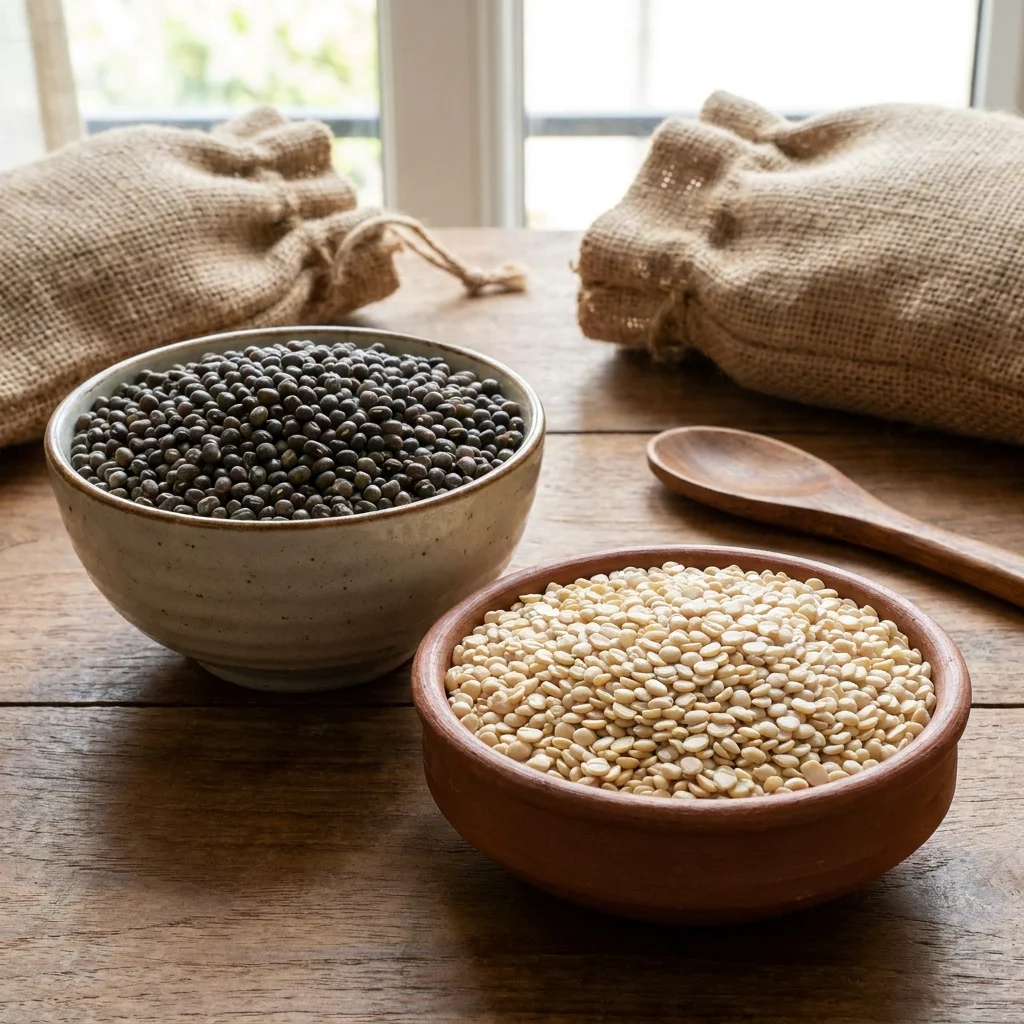 Agricultural Products
Black gram (mash/urad) from Pakistan. Whole and washed dal. Food grade...
Inquire Now Agricultural Products
 Agricultural Products
Submit a Buying Requirement at DaaTrade.com
Submit Requirement