 Agricultural Products
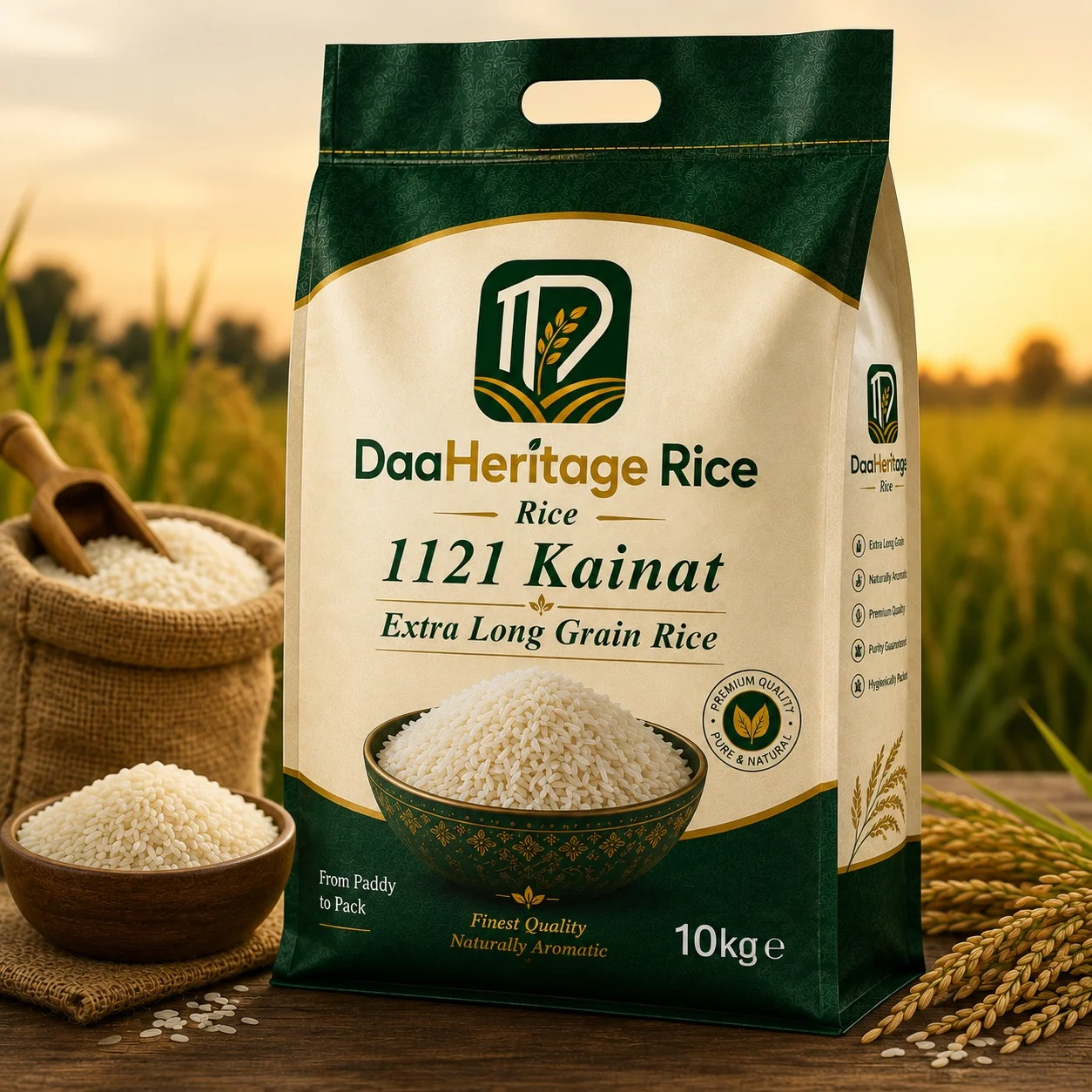
DaaHeritage 1121 Kainat
DaaHeritage 1121 Kainat extra-long grain rice. Naturally aromatic, pre...
Inquire Now
Find minerals, agricultural goods and more
Pakistani sugarcane bagasse and residues for biomass fuel, paper pulp and board manufacturing
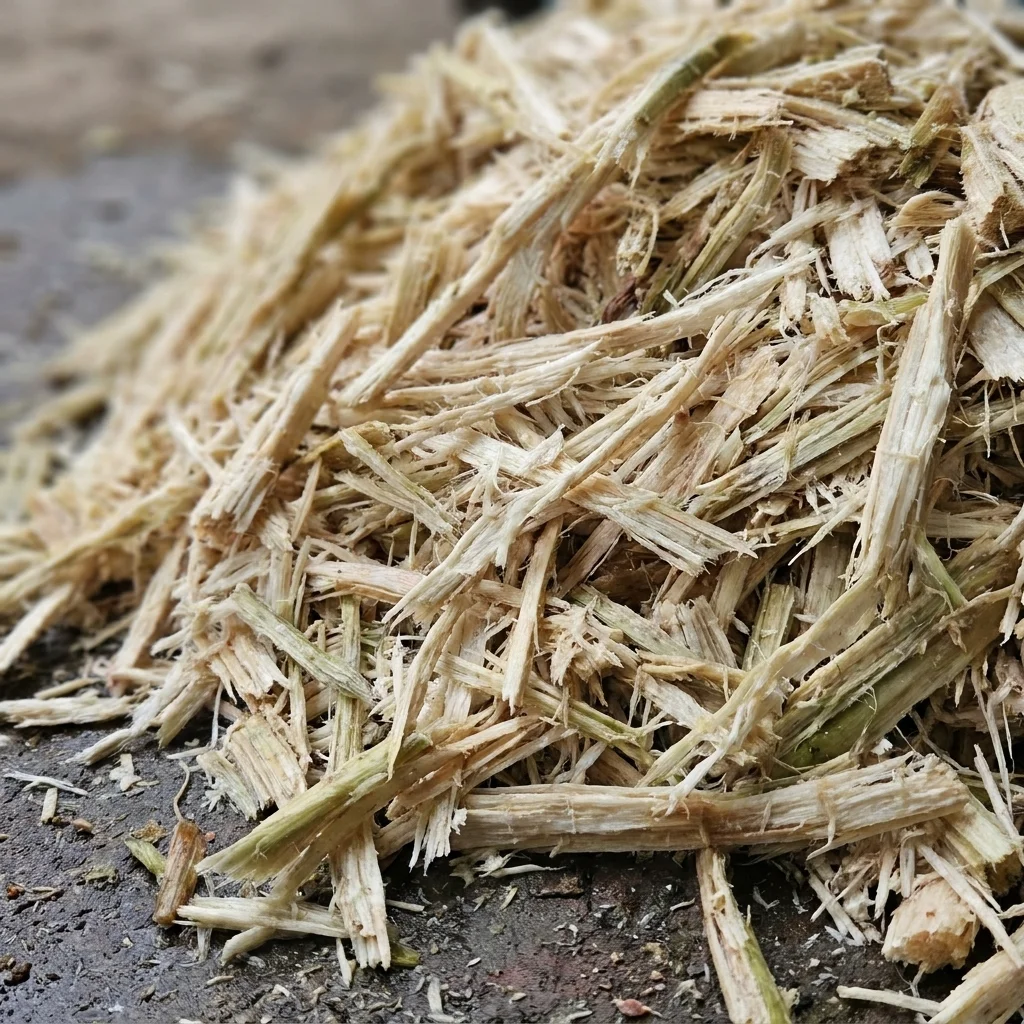
Sugarcane residues (bagasse) from Pakistan. Biomass fuel and industrial feedstock. Bulk supply. Price on inquiry, shipped from Karachi.
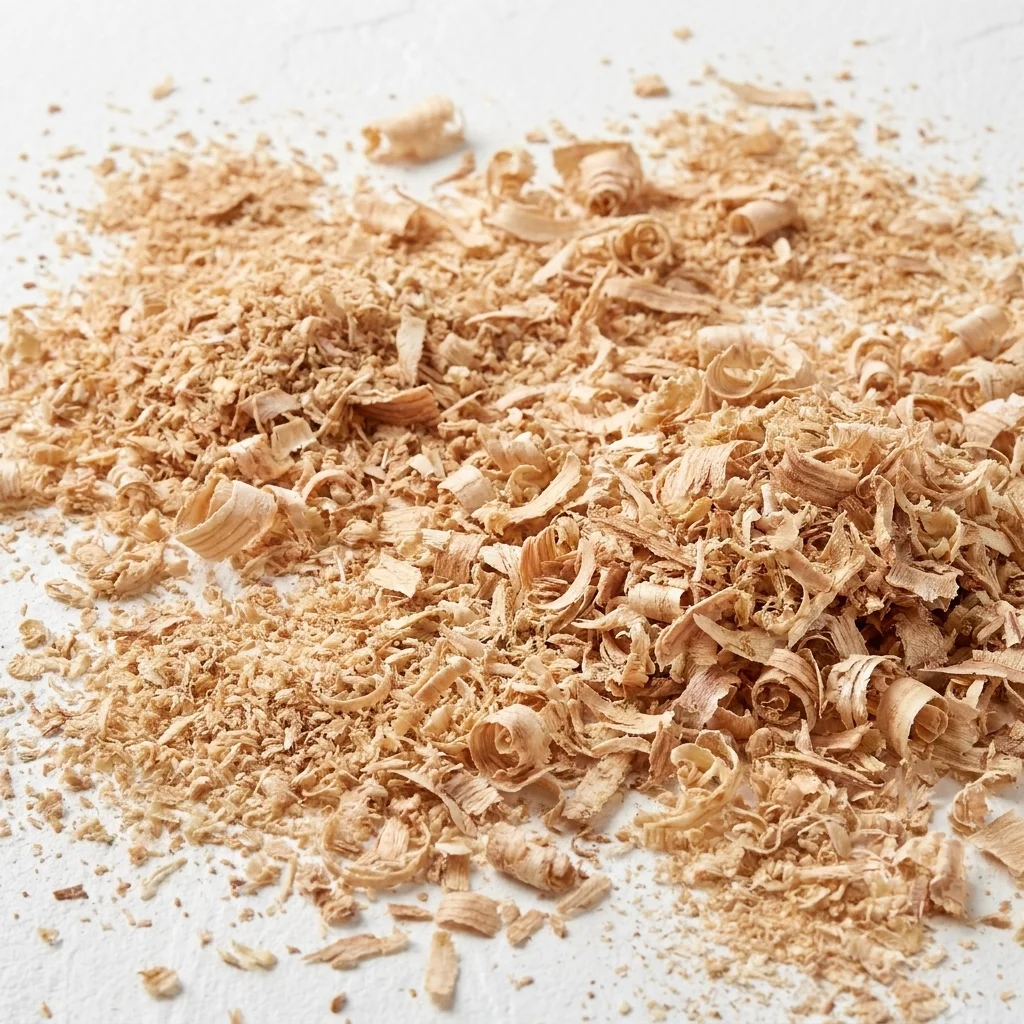
Sugarcane bagasse is the fibrous residue left after sugarcane stalks are crushed to extract juice in sugar mills. It consists of short cellulose fibres, hemicellulose, lignin, and residual sugar. Pakistan operates over 80 sugar mills across Punjab and Sindh, producing approximately 25-30 million tonnes of bagasse per season. While a significant portion is burned on-site in sugar mill boilers for cogeneration, surplus bagasse is available for export and industrial use. The material has a shredded, fibrous appearance with a light tan to pale yellow colour and mild sweet aroma.
Material: Sugarcane Bagasse (post-extraction residue)
Cellulose: 40-50%
Hemicellulose: 25-35%
Lignin: 18-25%
Residual Sugar: 1-3%
Moisture: 45-52% (fresh), 15-20% (sun-dried), < 12% (mechanically dried)
Ash: 2-4%
Calorific Value: 1,700-1,900 kcal/kg (fresh, 50% moisture), 3,600-4,000 kcal/kg (dried, < 15% moisture)
Fibre Length: 1-25 mm
Bulk Density: 80-120 kg/m³ (loose), 200-350 kg/m³ (baled)
Colour: Light tan to pale yellow
Loose bagasse (fresh or sun-dried)
Baled bagasse (compressed bales, 20-30 kg each)
Mechanically dried bagasse (< 12% moisture)
Biomass power generation: Sugarcane bagasse is one of the most widely used biomass fuels globally. It is burned in industrial boilers and biomass power plants to generate steam and electricity. Sugar mills use bagasse for cogeneration, producing both process steam and surplus electricity for the grid. Dried bagasse with < 15% moisture delivers 3,600-4,000 kcal/kg
Paper and pulp manufacturing: Bagasse is a commercially established raw material for paper and pulp production, used in place of or alongside wood pulp. Bagasse pulp produces writing paper, printing paper, tissue paper, newsprint, and packaging paper
Particle board and fibre board: Bagasse fibres are pressed with adhesive resins to produce particle board (chipboard) and medium-density fibreboard (MDF) for furniture, cabinetry, and interior construction
Mushroom cultivation: Dried and pasteurized bagasse is used as a substrate for oyster mushroom and specialty mushroom cultivation
Composting and soil amendment: Bagasse is composted into organic soil conditioner, mulch, and growing media for horticulture and landscaping
Animal bedding: Dried bagasse is used as absorbent bedding for livestock, equine, and poultry
Bioethanol production: Bagasse cellulose is converted to fermentable sugars through enzymatic hydrolysis, then fermented to produce second-generation (cellulosic) bioethanol
Furfural production: Bagasse hemicellulose is processed to produce furfural, an important industrial chemical used in solvents, resins, and plastics
Each lot is tested for moisture, cellulose content, ash, calorific value, and fibre length. Pre-shipment samples are provided for buyer evaluation. Material is sourced from verified sugar mills with consistent processing and storage practices.
Detailed specifications are available on request. Send us your requirement and our export desk will share them.
Loose bulk in 20' or 40' containers (mechanically compressed to maximize container load)
Compressed bales (20-30 kg each), stacked and strapped in containers
1 MT jumbo bags (for dried, chopped bagasse)
Bulk vessel loading for large tonnages
Loading port: Karachi Port or Port Qasim. Containerized shipment is standard. Bagasse is a lightweight, voluminous material, so containers fill by volume before reaching weight limits. Mechanical compression in containers maximizes the load per container. Incoterms: FOB, CFR, CIF. Documents: Commercial Invoice, Packing List, Certificate of Origin, Certificate of Quality, Phytosanitary Certificate, Fumigation Certificate, Bill of Lading.
Agricultural Products
DaaHeritage 1121 Kainat extra-long grain rice. Naturally aromatic, pre...
Inquire Now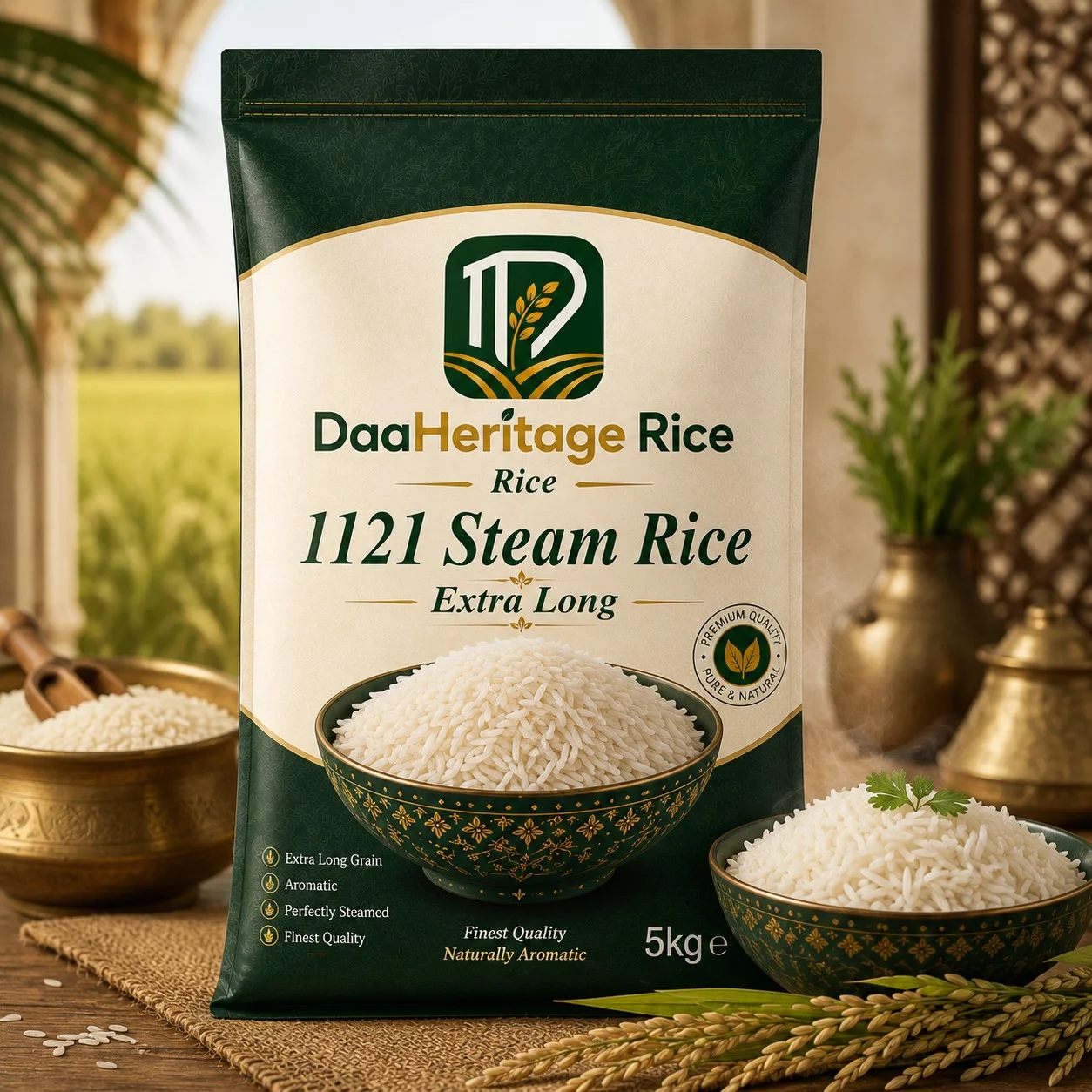 Agricultural Products
DaaHeritage 1121 Basmati rice. Extra-long grain, available in White, S...
Inquire Now Agricultural Products
 Agricultural Products
Submit a Buying Requirement at DaaTrade.com
Submit Requirement