 Mines & Minerals
Iron Ore Fines
Screened iron ore fines from Pakistan for sintering, pelletizing and cement applications
Verified Supplier
Export Ready
Pakistan Origin
Screened iron ore fines from Pakistan for sintering, pelletizing and cement applications
Iron Ore Fines
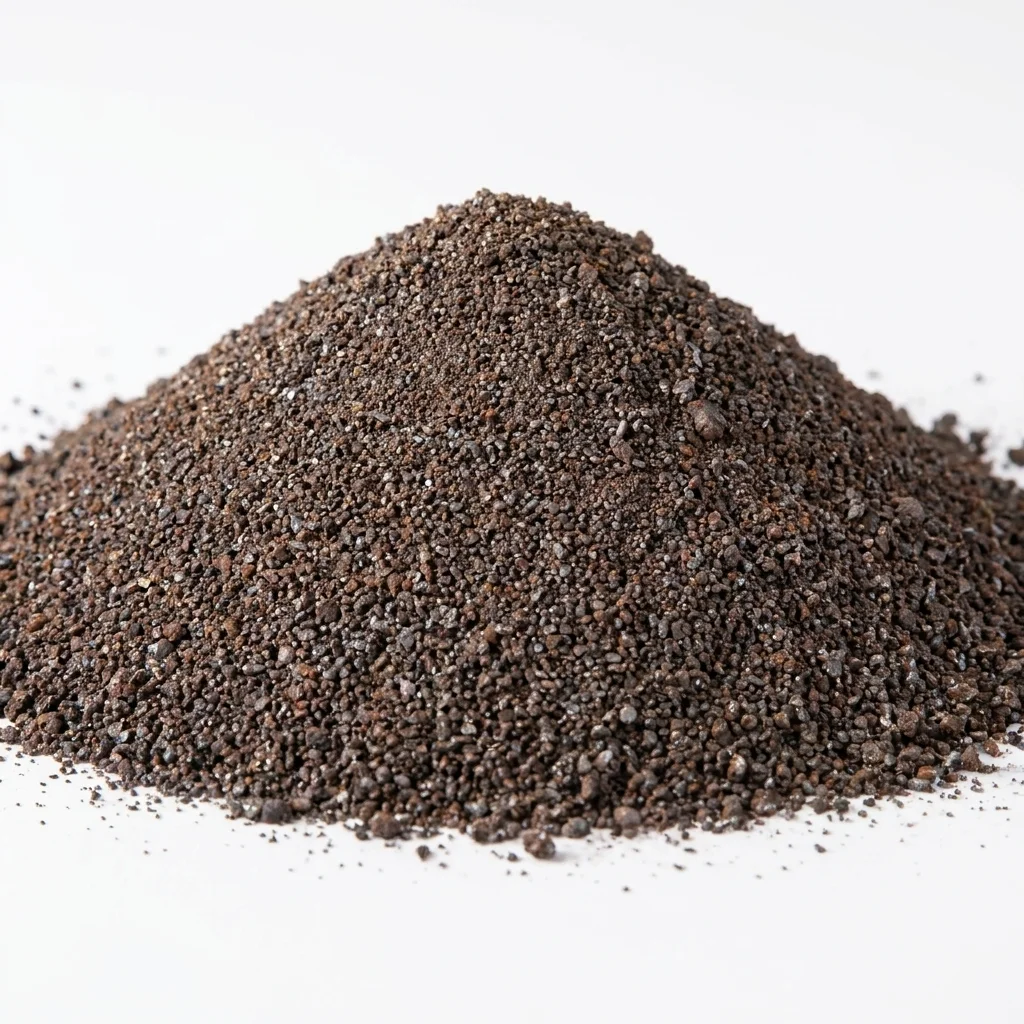
Iron ore fines, 54-62% Fe. 0-10 mm screened. Price on inquiry, shipped from Karachi.
Sinter Plant Feed
IMSBC Compliant
Verified Pakistan Source
| Fe (Total) | 54-62% (grade-dependent) |
|---|---|
| SiO₂ | 3-9% |
| Al₂O₃ | 2-7% |
| P | < 0.08% |
| S | < 0.05% |
| TiO₂ | < 0.5% |
| LOI | 3-6% |
| Moisture | < 8% |
| Size | 0-10 mm (standard) |
| Appearance | Dark brown to black granular |
Product Details
Iron Ore Fines from Pakistan
Iron ore fines are the fine-grained fraction of mined iron ore, typically below 10 mm in size. They are a dark brown to black granular material with high iron content and are the standard feedstock for sinter plants worldwide. Sintering agglomerates the fines into a porous, strong sinter cake that is then charged into blast furnaces as part of the iron burden. Pakistan’s iron ore mining operations produce substantial volumes of fines as a natural byproduct of lump ore production, ensuring consistent availability and competitive pricing.
Available Sizes
Standard fines: 0-10 mm
Screened fines: 0-6 mm, 0-3 mm
Ultra-fines: 0-1 mm (for pellet feed blending)
Custom screening available
Industrial Uses
Sintering: Iron ore fines are the primary raw material for sinter plants. Fines are mixed with coke breeze, limestone, and return fines, then ignited on a sinter strand to produce a strong, porous sinter cake. Sinter typically makes up 60-80% of the iron burden in modern blast furnaces
Pelletizing: Fine iron ore (ground to -325 mesh) is formed into green pellets, which are then indurated in a pellet kiln to produce hard, round pellets for blast furnace or DRI feed. Fines are either used directly or further ground to pellet feed fineness
Cement manufacturing: Iron ore fines are added to cement raw mix as an iron-corrective material to provide Fe₂O₃ for clinker formation. Typical addition rate is 1-3% of the raw mix
Ferro-alloy production: Iron ore fines are used as a source of iron in submerged arc furnaces producing ferro-alloys
Heavy concrete and counterweights: Iron ore fines are used as high-density aggregate in heavyweight concrete for radiation shielding, pipeline weighting, and ballast applications
Pigments: Finely ground iron ore fines serve as a natural source of red-brown iron oxide pigment for paints, stains, and coatings
Soil amendment: Iron-rich fines are used in agriculture as a natural iron supplement for iron-deficient soils
Quality Assurance
Each lot includes a Certificate of Analysis reporting Fe (total), SiO₂, Al₂O₃, P, S, TiO₂, MnO, CaO, MgO, LOI, moisture, and size distribution. Pre-shipment samples are provided for buyer approval. Third-party inspection (SGS, Intertek, or equivalent) can be arranged. TML certification is provided for bulk vessel shipments as per IMSBC Code.
Why Source From Pakistan?
Pakistan’s iron ore mining operations in Kalabagh, Chiniot, and Balochistan generate large volumes of iron ore fines as a natural byproduct of lump production. This keeps pricing competitive and supply consistent. The fines are screened, tested, and stockpiled at mine sites before transport to port. Established logistics through Karachi port and full IMSBC Code compliance ensure safe, reliable bulk shipments. For sinter plants, cement works, and pellet producers looking for a cost-effective iron ore source, Pakistani fines offer good Fe content with low penalty elements. DaaTrade manages sourcing, grade verification, screening, packaging, documentation and shipment through one export desk.
Specifications
| Fe (Total) | 54-62% (grade-dependent) |
|---|---|
| SiO₂ | 3-9% |
| Al₂O₃ | 2-7% |
| P | < 0.08% |
| S | < 0.05% |
| TiO₂ | < 0.5% |
| LOI | 3-6% |
| Moisture | < 8% |
| Size | 0-10 mm (standard) |
| Appearance | Dark brown to black granular |
Packaging & Shipping
Packaging
1 MT jumbo bags with discharge spout and liner
50 kg polypropylene bags, palletized and shrink-wrapped
Loose bulk in lined 20' or 40' containers
Bulk vessel loading for large tonnages (5,000+ MT)
Shipping
Loading port: Karachi Port or Port Qasim. Containerized or bulk vessel shipment depending on quantity. Iron ore fines are classified as a Group A cargo under the IMSBC Code. TML certification and moisture testing are provided for all bulk vessel shipments. Containers are lined to prevent moisture leakage and contamination. Incoterms: FOB, CFR, CIF. Documents: Commercial Invoice, Packing List, Certificate of Origin, Certificate of Analysis, TML Certificate (bulk), Moisture Certificate, Weight Certificate, Draft Survey Report (bulk), Bill of Lading.
Frequently Asked Questions
A: Our iron ore fines typically contain 54-62% Fe depending on the source deposit. The exact Fe percentage and full chemical analysis are reported on the Certificate of Analysis for each lot. We can supply within a narrower Fe range (e.g. 58-60%) subject to availability and volume commitment. Pre-shipment samples are always provided for buyer assay verification.
A: Iron ore fines are the natural sub-10 mm fraction from mining and crushing, retaining the grade of the source ore (54-62% Fe in our case). Iron ore concentrate is produced by beneficiating lower-grade ore or fines through magnetic or gravity separation, upgrading the Fe content to 62-68%. Fines are less expensive per ton but have a wider chemistry range. Concentrate offers a more uniform, higher-grade product at a higher per-ton cost. The right choice depends on your sinter plant specifications and cost targets.
A: Iron ore fines are classified as a Group A (liquefiable) cargo under the IMSBC Code when shipped in bulk vessels. The moisture content must be below the Transportable Moisture Limit (TML) to prevent cargo shift during transit. We provide TML certification from an accredited laboratory for every bulk shipment, and moisture is tested at the port before loading. For containerized shipments, containers are lined to prevent leakage. Our export desk handles all shipping compliance and documentation.
Mines & Minerals
 Mines & Minerals
Manganese Fines
Manganese fines, 0-10 mm, 28-42% Mn. Price on inquiry, shipped from Ka...
Inquire Now
Mines & Minerals
Iron Ore Fines
Iron ore fines, 54-62% Fe. 0-10 mm screened. Price on inquiry, shipped...
Inquire Now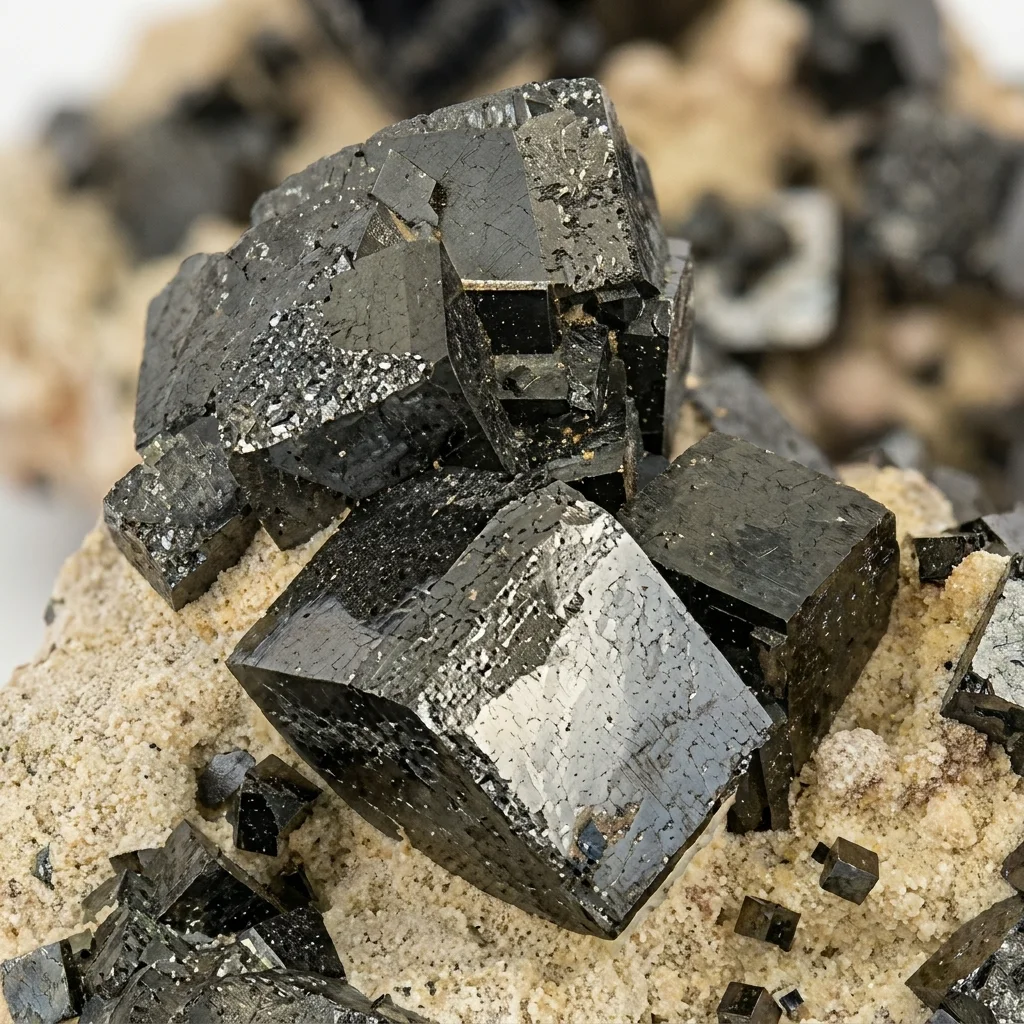 Mines & Minerals
Magnetite Iron Ore
Magnetite iron ore, 58-68% Fe. Lumps, fines and magnetic concentrates....
Inquire NowVerified
SuppliersNo
unconfirmed contacts
Global ReachFrom
Pakistan to
your destination
Fast ResponseWithin
24
hours
Looking for a product from Pakistan?
Submit a Buying Requirement at DaaTrade.com
Submit Requirement