 Mines & Minerals
Iron Ore Fines
Iron ore fines, 54-62% Fe. 0-10 mm screened. Price on inquiry, shipped...
Inquire Now
Find minerals, agricultural goods and more
Screened manganese ore fines from Pakistan for sintering, pelletizing and chemical processing
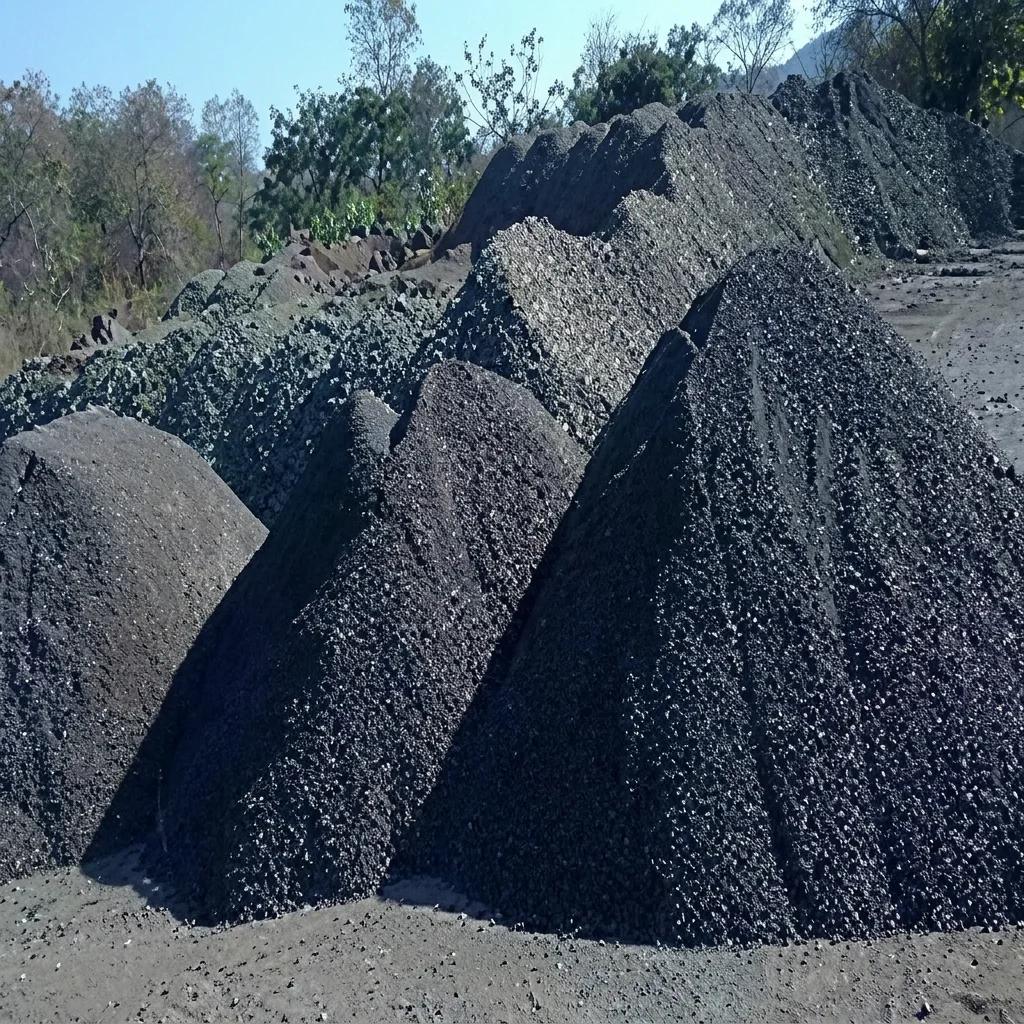
Manganese fines, 0-10 mm, 28-42% Mn. Price on inquiry, shipped from Karachi.
| Mn Content | 28-42% (grade-dependent) |
|---|---|
| Fe Content | 5-18% |
| SiO₂ | 5-15% |
| Al₂O₃ | 2-8% |
| P | < 0.1% |
| S | < 0.05% |
| Mn:Fe Ratio | 2:1 to 6:1 |
| LOI | 4-10% |
| Moisture | < 8% |
| Size | 0-10 mm (standard) |
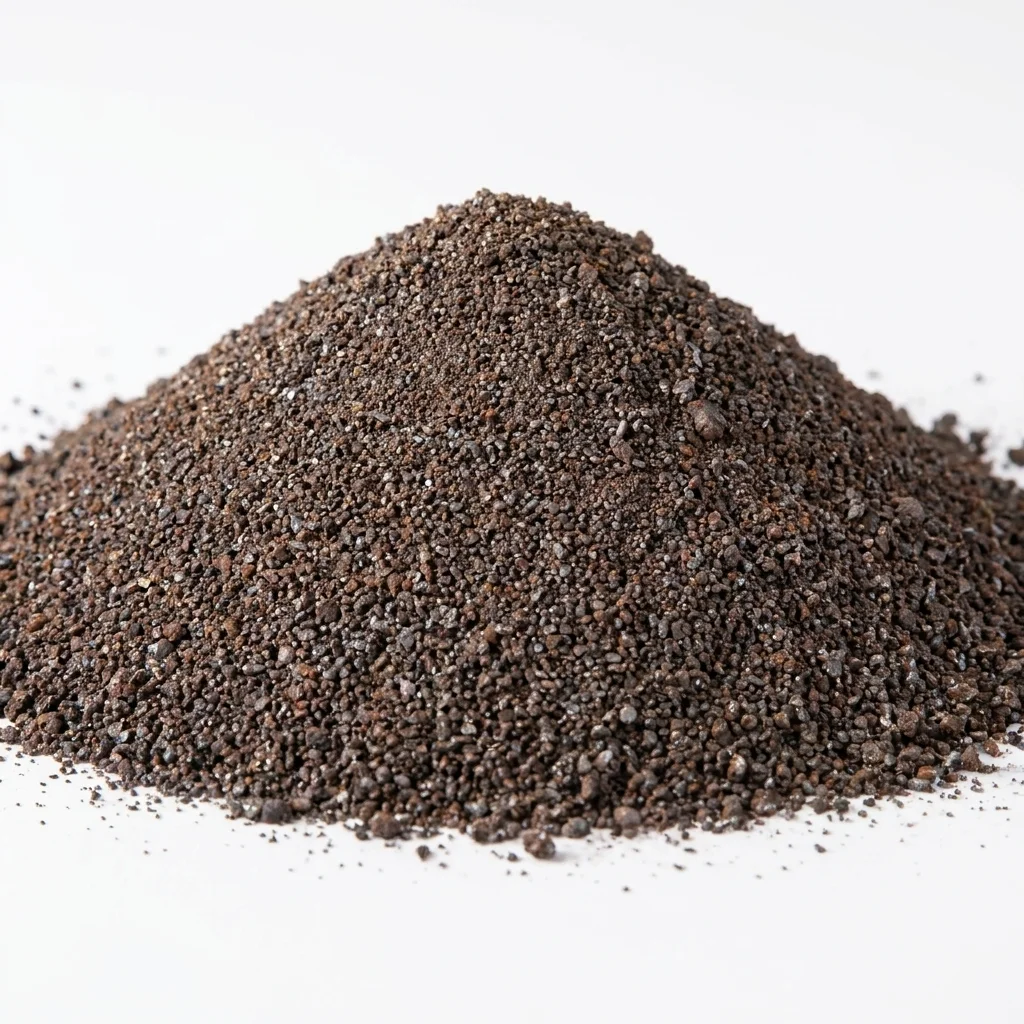
Manganese fines are the fine-grained fraction of manganese ore, produced during mining, blasting, crushing, and screening operations. They are a dark grey to black granular material with high manganese content and are available in large, consistent volumes from Pakistan’s Balochistan manganese belt. While historically priced below lump ore, manganese fines are increasingly valued as a cost-effective feedstock for sintering, pelletizing, chemical processing, and cement production.
Standard fines: 0-10 mm
Screened fines: 0-6 mm, 0-3 mm
Ultra-fines: 0-1 mm
Custom screening available
Sintering plant feed: Manganese fines are blended with coke breeze, limestone, and return fines on sinter strands to produce manganese sinter cake. Sinter is the preferred furnace feed for many ferromanganese and silicomanganese producers as it improves burden permeability and gas flow in submerged arc furnaces
Pelletizing: Fine manganese ore is formed into green pellets, indurated in a pellet kiln, and charged into submerged arc furnaces. Pelletizing improves furnace productivity and reduces dust emissions compared to direct fines charging
Ferro-alloy smelting (blending): Some smelters blend a controlled proportion of fines (10-25%) into their lump ore charge. The optimal fines ratio depends on furnace design and burden management
Chemical manufacturing: Manganese fines are dissolved in acid to produce manganese sulphate, manganese chloride, and electrolytic manganese dioxide (EMD). Fines dissolve faster than lumps due to higher surface area
Cement manufacturing: Manganese fines are used as a corrective additive in cement raw mix to provide MnO for clinker mineralogy and to influence cement color
Brick and tile production: Ground manganese fines are blended into clay bodies to produce brown and black colored bricks, pavers, and roof tiles
Briquetting: Manganese fines are compressed into briquettes with a binder for easier handling and furnace charging
Each lot includes a Certificate of Analysis reporting Mn, Fe, SiO₂, Al₂O₃, P, S, CaO, MgO, BaO, LOI, moisture, and size distribution. Pre-shipment samples are provided for buyer approval. Third-party inspection (SGS, Intertek, or equivalent) can be arranged. TML certification is provided for bulk vessel shipments as per IMSBC Code.
| Mn Content | 28-42% (grade-dependent) |
|---|---|
| Fe Content | 5-18% |
| SiO₂ | 5-15% |
| Al₂O₃ | 2-8% |
| P | < 0.1% |
| S | < 0.05% |
| Mn:Fe Ratio | 2:1 to 6:1 |
| LOI | 4-10% |
| Moisture | < 8% |
| Size | 0-10 mm (standard) |
1 MT jumbo bags with discharge spout and liner
50 kg polypropylene bags, palletized
Loose bulk in lined 20' or 40' containers
Bulk vessel loading for large tonnages
Loading port: Karachi Port or Port Qasim. Containerized or bulk vessel shipment depending on quantity. Manganese fines are classified as a Group A cargo under the IMSBC Code when shipped in bulk vessels. TML certification and moisture testing are provided for all bulk shipments. Containers are lined to prevent moisture leakage. Incoterms: FOB, CFR, CIF. Documents: Commercial Invoice, Packing List, Certificate of Origin, Certificate of Analysis, TML Certificate (bulk), Moisture Certificate, Weight Certificate, Draft Survey Report (bulk), Bill of Lading.
Mines & Minerals
Iron ore fines, 54-62% Fe. 0-10 mm screened. Price on inquiry, shipped...
Inquire Now Mines & Minerals
High-grade chromite ore, 44–54% Cr₂O₃, Cr:Fe 2.5:1+. Metallurgical gra...
Inquire Now Mines & Minerals
Celestite lumps, 80-96% SrSO₄. Mine-run and crushed sizes. Price on in...
Inquire Now Mines & Minerals
Submit a Buying Requirement at DaaTrade.com
Submit Requirement