 Mines & Minerals
Filtration Silica Sand
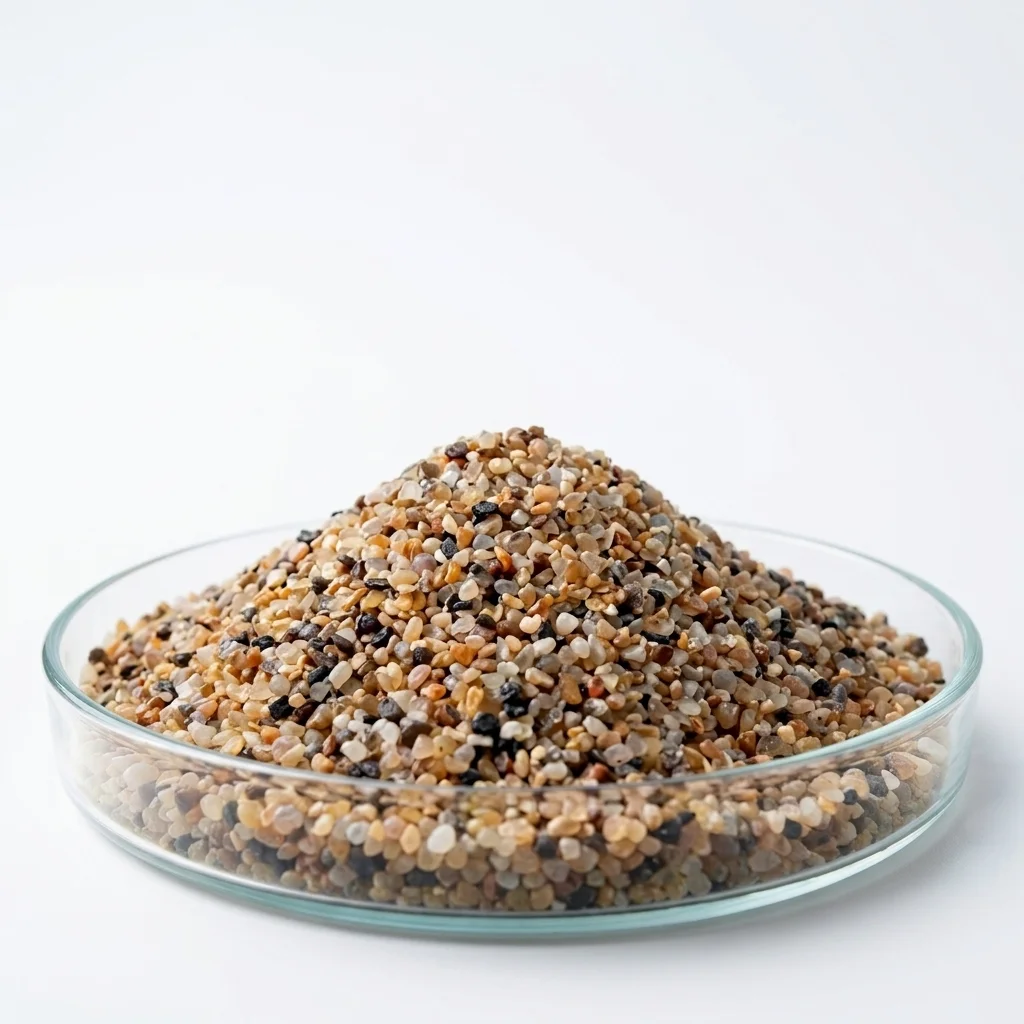
Filtration silica sand, 95-99% SiO₂. 8-16, 16-30, 30-60 mesh sizes. Pr...
Inquire Now
Find minerals, agricultural goods and more
Natural stibnite antimony ore from Pakistan for flame retardants, alloys and battery applications
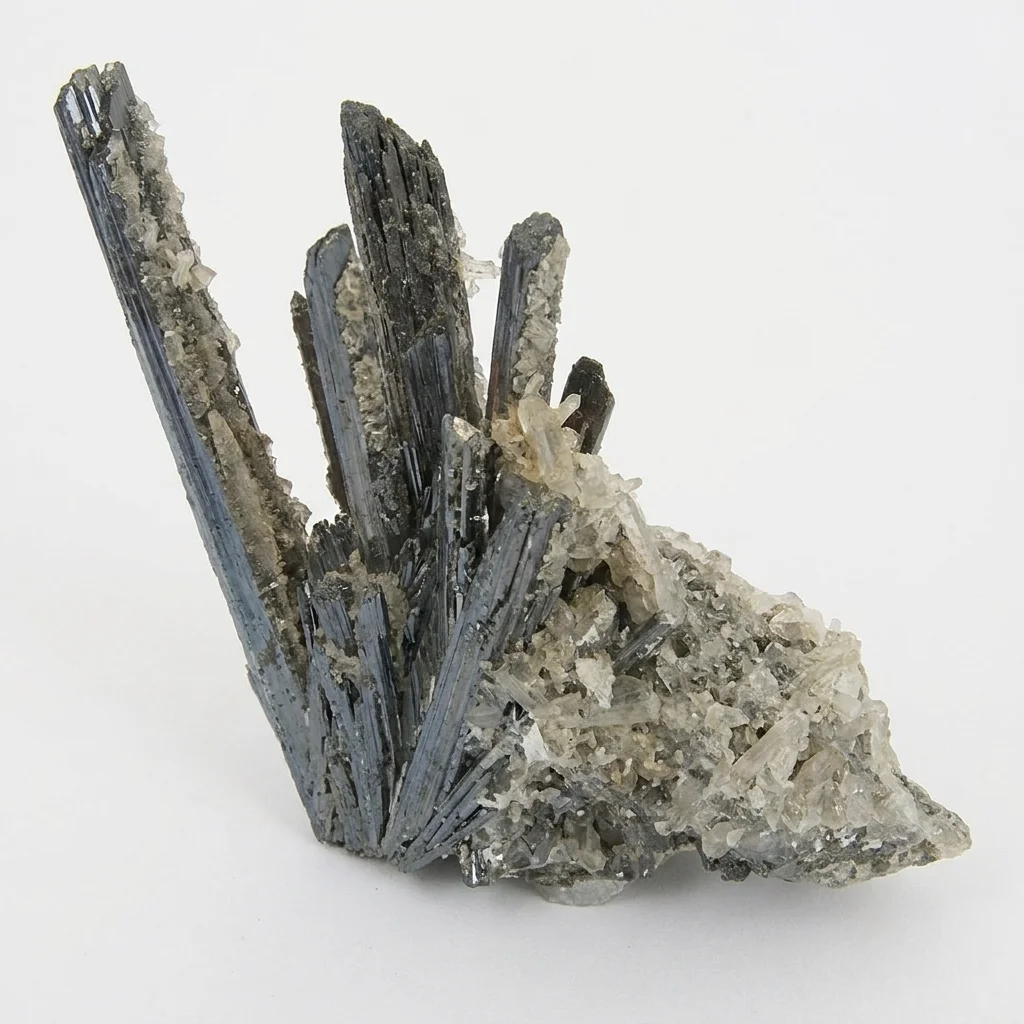
Stibnite antimony ore, 40-65% Sb. Lumps and concentrates. Price on inquiry, shipped from Karachi.
| Mineral | Stibnite (Sb₂S₃) |
|---|---|
| Sb Content | 40-65% (form-dependent) |
| As | < 0.5% |
| Pb | < 1% |
| Fe | 1-5% |
| S | 20-28% |
| SiO₂ | 3-15% |
| Hg | < 50 ppm |
| Specific Gravity | 4.6-4.7 |
| Available Forms | Lumps, crushed, concentrate |
Stibnite is an antimony trisulphide mineral (Sb₂S₃) containing 71.4% antimony in its pure form. It is the world’s principal ore of antimony, a strategically important metalloid used across flame retardant, battery, military, and specialty alloy industries. Stibnite has a characteristic steel-grey metallic lustre with elongated blade-like or prismatic crystal habit. It occurs in low-temperature hydrothermal veins, often alongside quartz, calcite, and other sulphide minerals. Pakistan’s geological formations in Balochistan, Khyber Pakhtunkhwa, and Gilgit-Baltistan host stibnite mineralization in commercially exploitable quantities.
Hand-sorted lumps: 20-150 mm (55-65% Sb)
Run-of-mine (ROM) lumps: 10-200 mm (40-50% Sb)
Crushed ore: 0-50 mm, 0-25 mm
Gravity concentrate: 55-65% Sb
Flotation concentrate: 50-60% Sb
Custom sizing available
Antimony trioxide (ATO) production: Stibnite is roasted or volatilized to produce Sb₂O₃, the most important antimony compound. ATO is the primary synergist used with halogenated flame retardants in plastics, textiles, rubber, electronics, and building materials. Over 50% of global antimony consumption goes into flame retardant applications
Lead-acid batteries: Antimony is alloyed with lead to produce antimony-lead (Pb-Sb) battery grids for automotive, industrial, and standby power batteries. Antimony improves grid strength, castability, and electrochemical performance. Battery alloys account for approximately 30% of antimony demand
Lead alloys: Antimony is added to lead to produce hard lead, type metal, bearing metal (Babbitt), and ammunition alloys. Antimony hardens lead and improves its mechanical properties
Antimony metal production: Stibnite is reduced to antimony metal (99.65-99.90% Sb) by iron precipitation or electrolysis. Antimony metal is used in semiconductor compounds (InSb, GaSb), thermoelectric materials, and specialty alloys
Flame retardant chemicals: Beyond ATO, antimony is used to produce sodium antimonate (glass, ceramics), antimony pentoxide (intumescent coatings), and other flame retardant compounds
Military and defense: Antimony is used in armor-piercing ammunition, tracer bullets, explosive primers, infrared sensors, and night vision equipment. Its critical mineral status reflects its defense importance
Catalyst: Antimony trioxide is used as a catalyst in PET (polyester) polymerization for producing plastic bottles, polyester fiber, and film
Glass and ceramics: Antimony compounds are used as fining agents, opacifiers, and colorants in glass and ceramic production
Mineral specimens: Well-crystallized stibnite specimens with radiating prismatic crystal clusters are highly valued by mineral collectors worldwide
Each lot includes a Certificate of Analysis reporting Sb, As, Pb, Fe, S, SiO₂, Cu, Bi, Hg, Se, moisture, and size distribution. Assays are performed by accredited laboratories using ICP-OES and AAS methods. Pre-shipment samples are provided for buyer approval. Third-party inspection (SGS, Intertek, Alex Stewart, or equivalent) can be arranged. Umpire assay provisions are available for large contracts.
| Mineral | Stibnite (Sb₂S₃) |
|---|---|
| Sb Content | 40-65% (form-dependent) |
| As | < 0.5% |
| Pb | < 1% |
| Fe | 1-5% |
| S | 20-28% |
| SiO₂ | 3-15% |
| Hg | < 50 ppm |
| Specific Gravity | 4.6-4.7 |
| Available Forms | Lumps, crushed, concentrate |
1 MT jumbo bags with inner PE liner
50 kg polypropylene bags, palletized and shrink-wrapped
25 kg double-lined bags for high-grade concentrate
Loose bulk in lined 20' or 40' containers
Loading port: Karachi Port or Port Qasim. Containerized shipment is standard for antimony ore and concentrate. Stibnite ore/concentrate may be classified under IMDG Code (UN 3077, Class 9) depending on form and arsenic content. Appropriate packaging, labeling, and documentation are provided. For concentrates, TML certification is provided for bulk vessel shipments as per IMSBC Code. Incoterms: FOB, CFR, CIF. Documents: Commercial Invoice, Packing List, Certificate of Origin, Certificate of Analysis, MSDS, Dangerous Goods Declaration (if applicable), Weight Certificate, Bill of Lading.
Mines & Minerals
Filtration silica sand, 95-99% SiO₂. 8-16, 16-30, 30-60 mesh sizes. Pr...
Inquire Now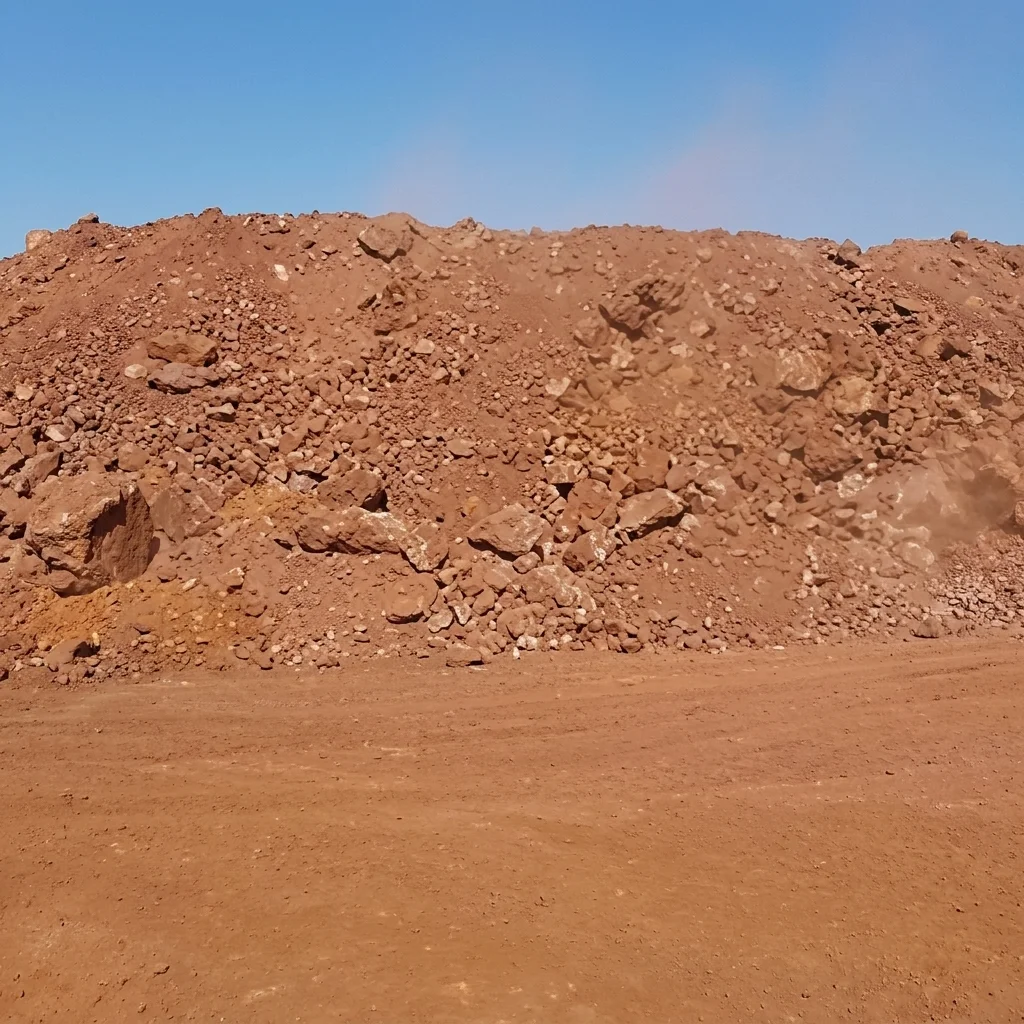 Mines & Minerals
Cement-grade bauxite, 40-52% Al₂O₃. Lumps and fines. Price on inquiry,...
Inquire Now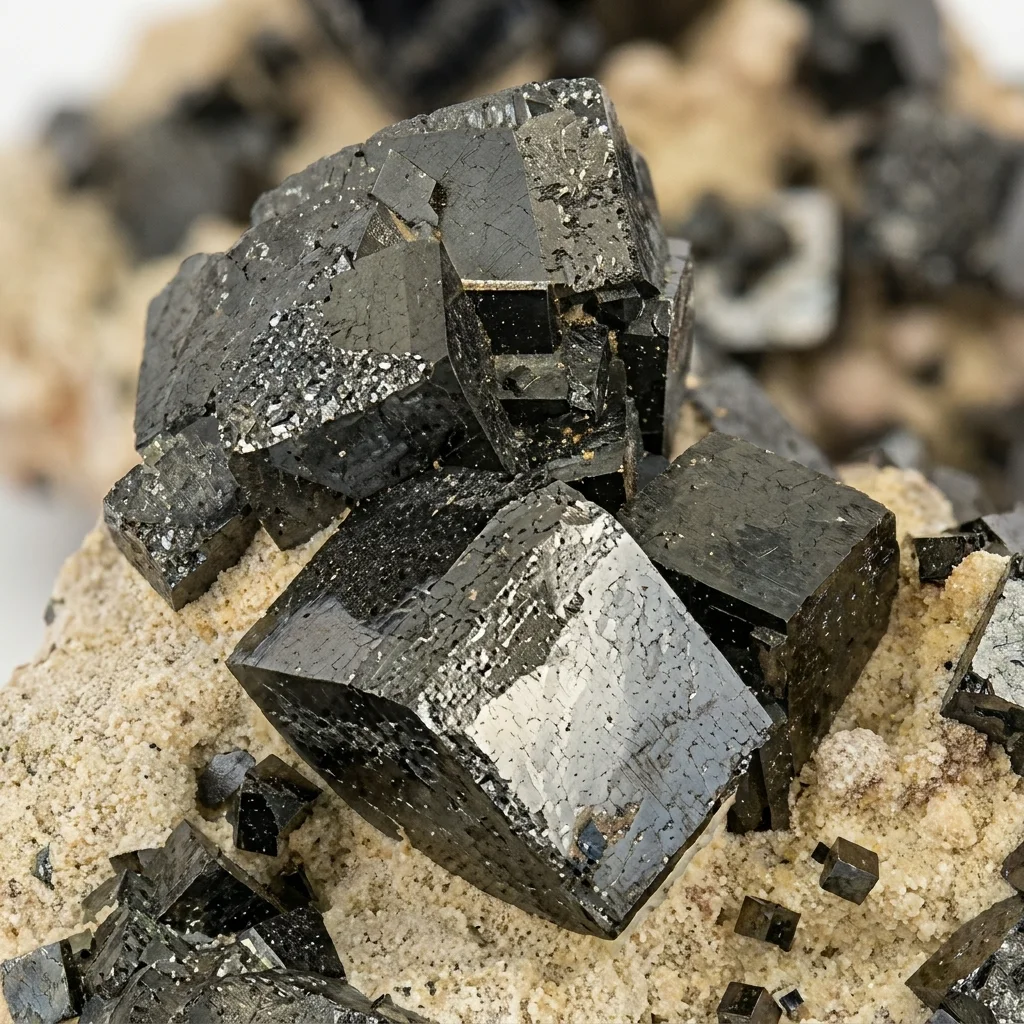 Mines & Minerals
Magnetite iron ore, 58-68% Fe. Lumps, fines and magnetic concentrates....
Inquire Now
Mines & Minerals
Stibnite antimony ore, 40-65% Sb. Lumps and concentrates. Price on inq...
Inquire NowSubmit a Buying Requirement at DaaTrade.com
Submit Requirement