 Mines & Minerals
Hematite Iron Ore
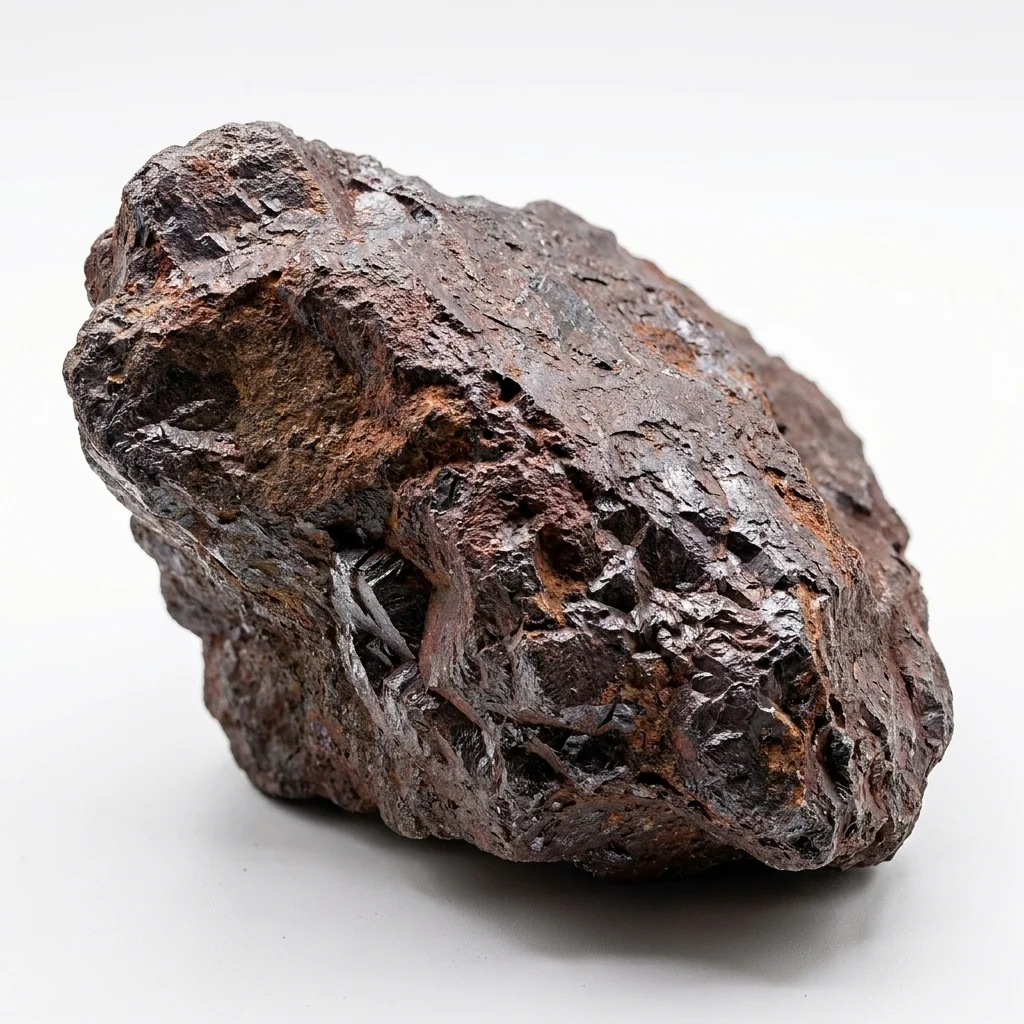
Hematite iron ore, 55-63% Fe. Lumps, fines and concentrates. Price on...
Inquire Now
Find minerals, agricultural goods and more
Natural celestite (strontium sulphate) lumps from Pakistan for strontium carbonate and pyrotechnic production
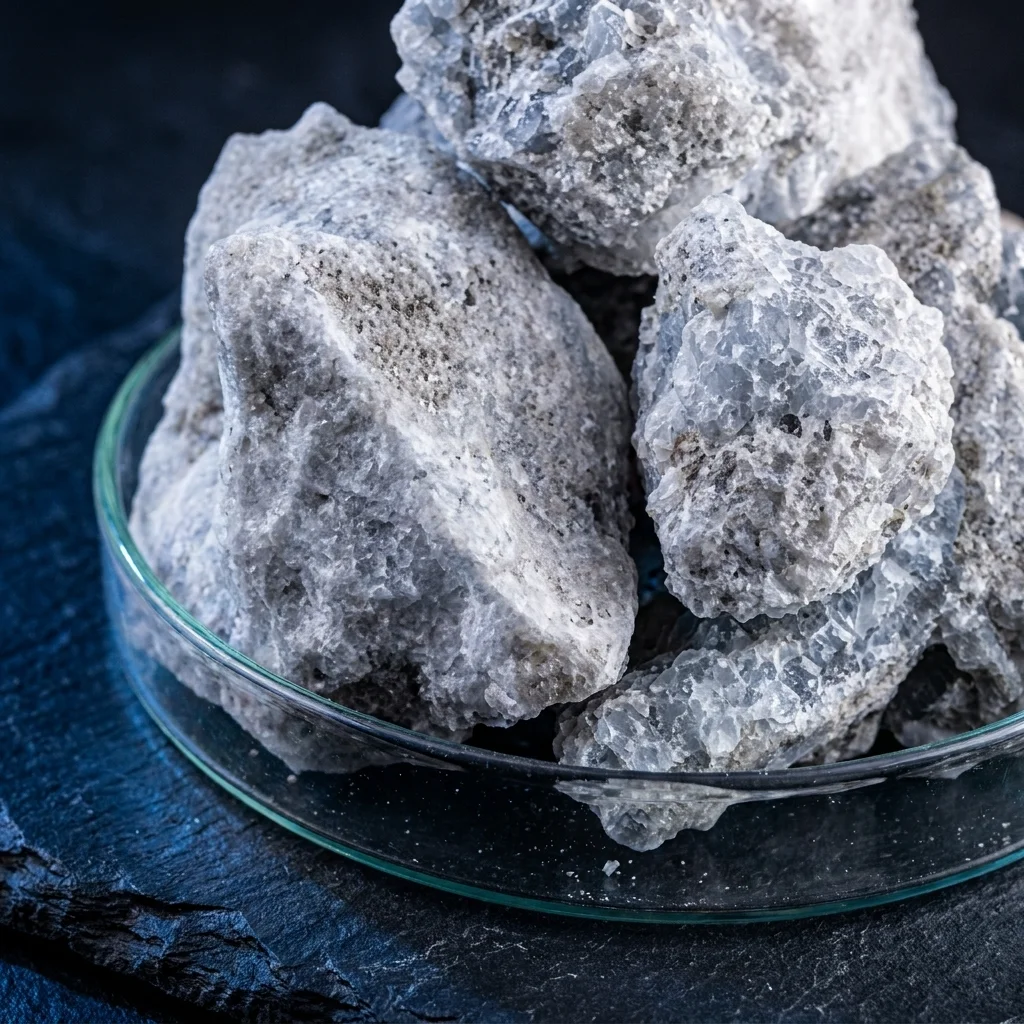
Celestite lumps, 80-96% SrSO₄. Mine-run and crushed sizes. Price on inquiry, shipped from Karachi.
Celestite is a strontium sulphate mineral (SrSO₄) containing up to 56.4% strontium oxide (SrO) in its pure form. It is the world’s only commercially significant source of strontium. The mineral occurs in sedimentary formations, often associated with evaporite deposits, gypsum, and limestone. Pakistani celestite has a characteristic pale blue-grey to white crystalline appearance with a glassy to pearly lustre. Deposits in Balochistan and Sindh produce celestite ore with SrSO₄ content ranging from 80% to 96%, suitable for direct processing into strontium carbonate and other strontium compounds.
Mineral: Celestite (SrSO₄)
SrSO₄ Content: 80-96% (grade-dependent)
SrO: 45-53%
BaSO₄: 0.5-5%
CaSO₄: 0.5-4%
SiO₂: 0.5-3%
Fe₂O₃: < 0.5%
Moisture: < 2%
Hardness (Mohs): 3-3.5
Specific Gravity: 3.9-4.0
Colour: Pale blue-grey to white
Run-of-mine (ROM) lumps: 10-250 mm
Crushed lumps: 10-80 mm, 10-50 mm
Screened sizes: 0-10 mm, 10-30 mm, 30-80 mm
Hand-sorted lumps: 90-96% SrSO₄
Custom sizing available
Strontium carbonate (SrCO₃) production: Celestite is converted to strontium carbonate through the black ash process (reduction with coke/coal) or direct carbonation. SrCO₃ is the primary commercial strontium compound and the starting material for most downstream strontium products
CRT and LCD glass: Strontium carbonate from celestite is a key ingredient in cathode ray tube (CRT) glass faceplate formulations, providing X-ray absorption. It is also used in LCD substrate glass and specialty flat glass
Ferrite magnets: Strontium ferrite (SrFe₁₂O₁₉) permanent magnets produced from strontium carbonate are used in motors, speakers, magnetic separators, and automotive sensors. Ferrite magnets are the largest volume permanent magnet type globally
Pyrotechnics and fireworks: Strontium compounds from celestite produce the characteristic brilliant red colour in fireworks, signal flares, military tracer rounds, and pyrotechnic compositions
Specialty ceramics: Strontium compounds are used in ceramic capacitors, piezoelectric ceramics (strontium titanate), and electronic ceramics for telecommunications and electronics
Zinc refining: Strontium carbonate is used in zinc electrolysis to remove lead from the electrolyte, improving zinc cathode purity
Sugar refining: Strontium hydroxide from celestite is used in the beet sugar refining process to improve sugar extraction yield
Drilling fluids: Ground celestite is used as a weighting agent in oil and gas drilling muds as an alternative to barite
Pigments: Strontium chromate from celestite is used as a corrosion-inhibiting pigment in aerospace primers and marine coatings
Each lot includes a Certificate of Analysis reporting SrSO₄, SrO, BaSO₄, CaSO₄, SiO₂, Fe₂O₃, moisture, and size distribution. Pre-shipment samples are provided for buyer approval. Third-party inspection (SGS, Intertek, or equivalent) can be arranged on request.
Detailed specifications are available on request. Send us your requirement and our export desk will share them.
1 MT jumbo bags with discharge spout
50 kg polypropylene bags, palletized
Loose bulk in 20' or 40' containers
Bulk vessel loading for large tonnages
Loading port: Karachi Port or Port Qasim. Containerized or bulk vessel shipment depending on quantity. Celestite is non-hazardous and straightforward to ship. Dense material, so container weight limits are reached before volume. Incoterms: FOB, CFR, CIF. Documents: Commercial Invoice, Packing List, Certificate of Origin, Certificate of Analysis, Weight Certificate, Bill of Lading.
Mines & Minerals
Hematite iron ore, 55-63% Fe. Lumps, fines and concentrates. Price on...
Inquire Now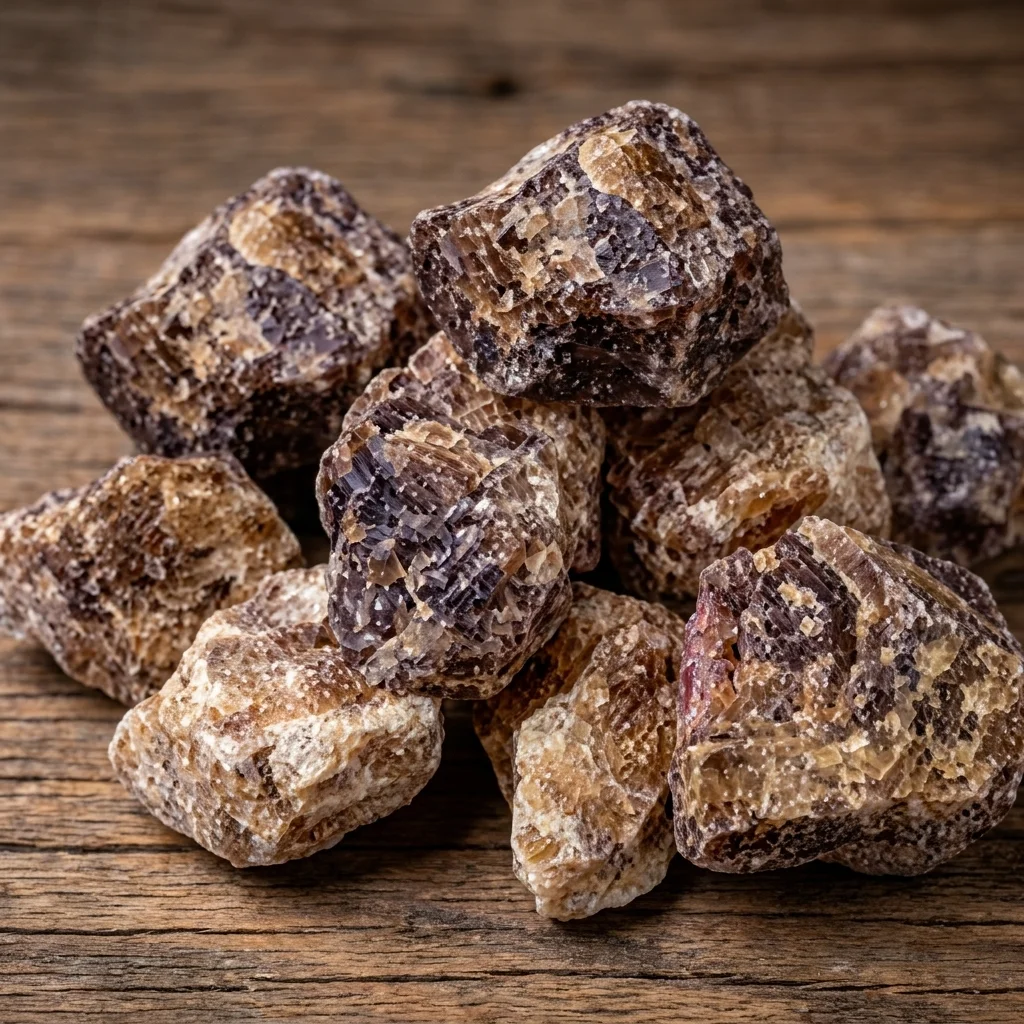 Mines & Minerals
Metallurgical-grade fluorspar, 60-85% CaF₂. Lumps and gravel. Price on...
Inquire Now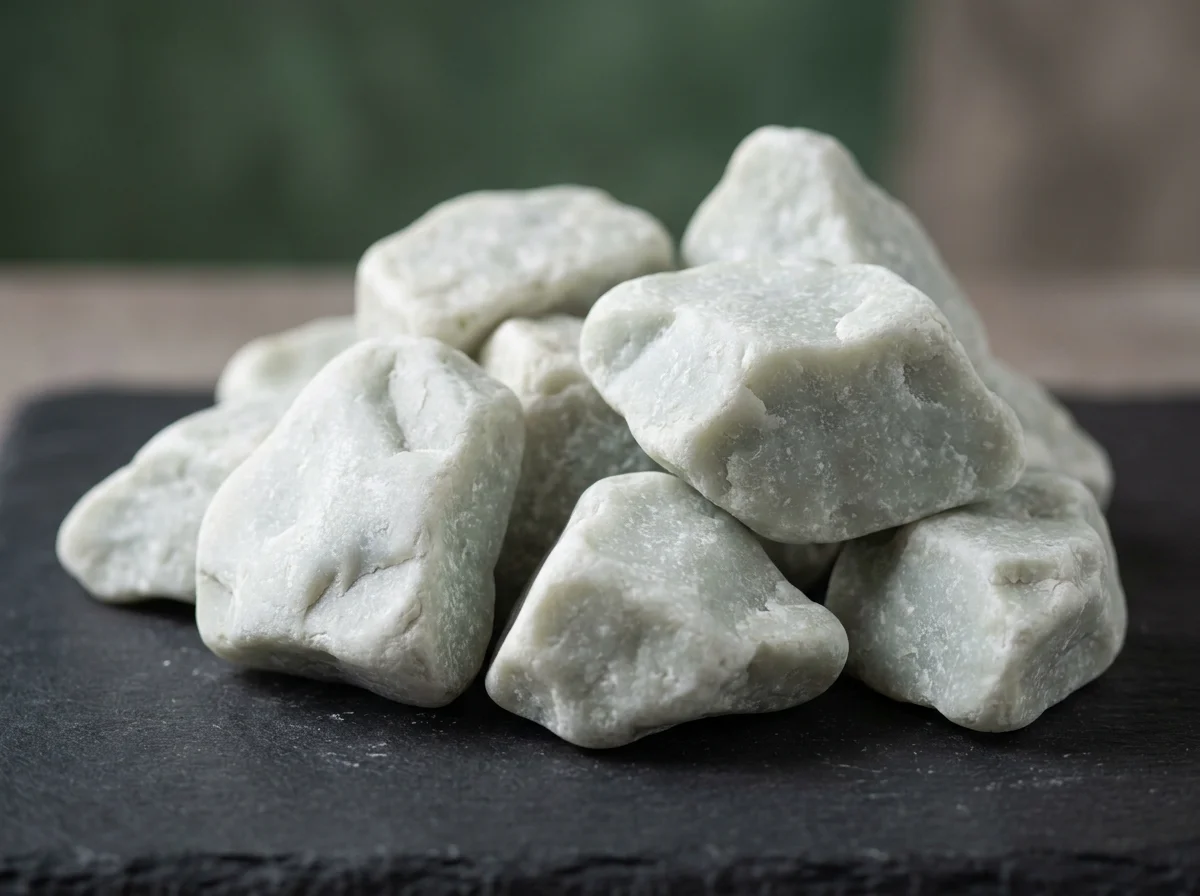 Mines & Minerals
Bulk soapstone lumps and micronized powder for ceramics, paints, plast...
Inquire Now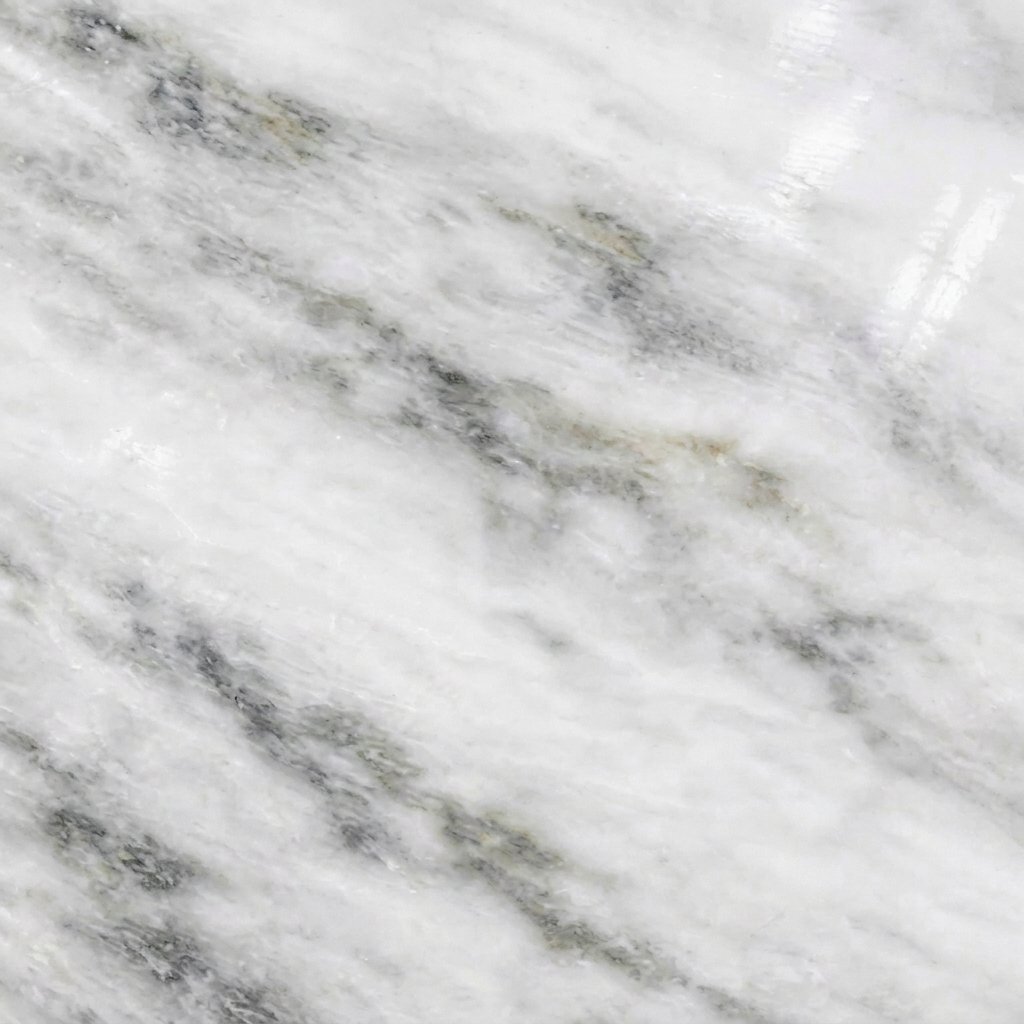 Mines & Minerals
Export-grade Ziarat white marble in slabs, tiles, and blocks. Consiste...
Inquire NowSubmit a Buying Requirement at DaaTrade.com
Submit Requirement