 Mines & Minerals
Low-Grade Chromite Ore (30–36% Cr₂O₃)
Low-grade chromite ore lumps and fines, 30–36% Cr₂O₃. Mined in Balochi...
Inquire Now
Find minerals, agricultural goods and more
Natural copper sulphide ore from Pakistan’s mineral belt, for smelting and concentrate production
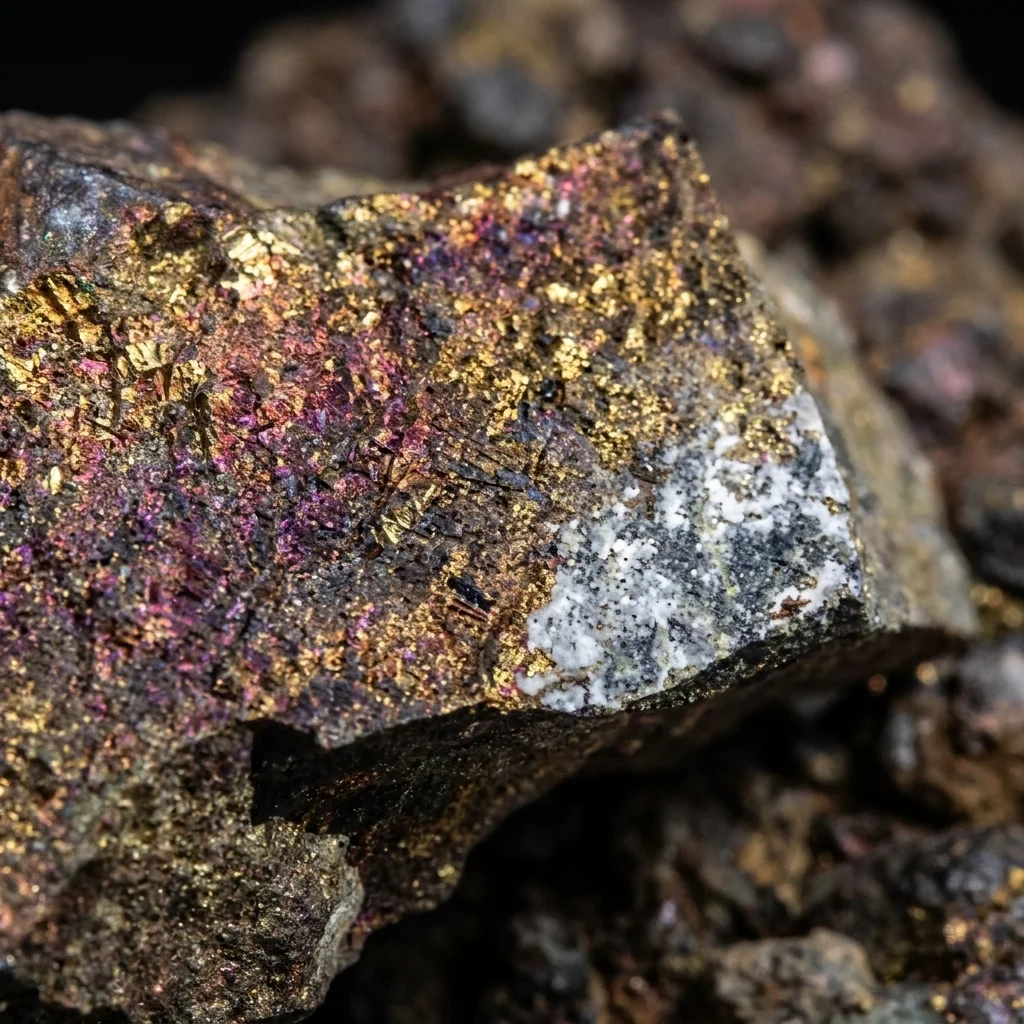
Copper sulphide ore, 5–25% Cu content. Chalcopyrite-dominant. Price on inquiry, shipped from Karachi.
| Ore Type | Copper Sulphide |
|---|---|
| Dominant Mineral | Chalcopyrite (CuFeS₂) |
| Cu Content | 5–25% (grade-dependent) |
| Fe Content | 15–35% |
| S Content | 20–40% |
| SiO₂ | 5–20% |
| Au | Trace to 2 g/t |
| Ag | Trace to 30 g/t |
| Moisture | < 8% |
Copper sulphide ore is the primary source of copper metal worldwide. The dominant mineral in most copper sulphide deposits is chalcopyrite (CuFeS₂), often accompanied by bornite (Cu₅FeS₄), chalcocite (Cu₂S), and covellite (CuS). Pakistan’s copper deposits are part of the Tethyan metallogenic belt, the same geological formation that hosts major copper-gold deposits across Iran, Turkey, and Chile. Mining operations in Balochistan and Khyber Pakhtunkhwa extract copper sulphide ore for both domestic processing and export.
Run-of-mine (ROM) lumps: 0–300 mm
Crushed ore: 0–50 mm, 0–25 mm
Hand-sorted high-grade lumps: 50–200 mm (15–25% Cu)
Custom sizing available
Chalcopyrite (CuFeS₂) — primary copper mineral
Bornite (Cu₅FeS₄) — secondary copper mineral
Pyrite (FeS₂) — iron sulphide gangue
Quartz (SiO₂) — silicate gangue
Copper smelting: Direct feed to copper smelters (flash smelting, reverberatory furnace, or blast furnace) for production of copper matte and blister copper
Flotation concentration: Beneficiation through froth flotation to produce copper concentrate (25–35% Cu) for smelter feed
Hydrometallurgical processing: Leaching and solvent extraction/electrowinning (SX-EW) for copper cathode production from lower-grade ores
Precious metals recovery: Gold and silver credits recovered as byproducts during copper smelting and refining
Sulphuric acid production: SO₂ gas captured during smelting is converted to sulphuric acid as a co-product
Copper chemicals: Processed copper used to manufacture copper sulphate, copper oxide, and other copper-based chemicals
Each lot includes a Certificate of Analysis reporting Cu, Fe, S, SiO₂, Au, Ag, As, Pb, Zn, moisture, and particle size distribution. Assays are performed by accredited laboratories. Pre-shipment samples are provided for buyer approval. Third-party inspection (SGS, Intertek, Alex Stewart, or equivalent) can be arranged. Umpire assay provisions are available for large contracts.
| Ore Type | Copper Sulphide |
|---|---|
| Dominant Mineral | Chalcopyrite (CuFeS₂) |
| Cu Content | 5–25% (grade-dependent) |
| Fe Content | 15–35% |
| S Content | 20–40% |
| SiO₂ | 5–20% |
| Au | Trace to 2 g/t |
| Ag | Trace to 30 g/t |
| Moisture | < 8% |
1 MT jumbo bags with discharge spout
50 kg polypropylene bags, palletized
Loose bulk in lined 20' or 40' containers
Bulk vessel loading for large tonnages
Loading port: Karachi Port or Port Qasim. Containerized or bulk vessel shipment depending on quantity. Sulphide ores are classified under IMSBC Code — TML and moisture certification is provided for bulk shipments. Incoterms: FOB, CFR, CIF. Documents: Commercial Invoice, Packing List, Certificate of Origin, Certificate of Analysis, TML Certificate (bulk), Weight Certificate, Radiation Certificate (if required), Bill of Lading.
Mines & Minerals
Low-grade chromite ore lumps and fines, 30–36% Cr₂O₃. Mined in Balochi...
Inquire Now Mines & Minerals
 Mines & Minerals
Manganese ore, 35-45% Mn. Lumps and fines from Balochistan. Price on i...
Inquire Now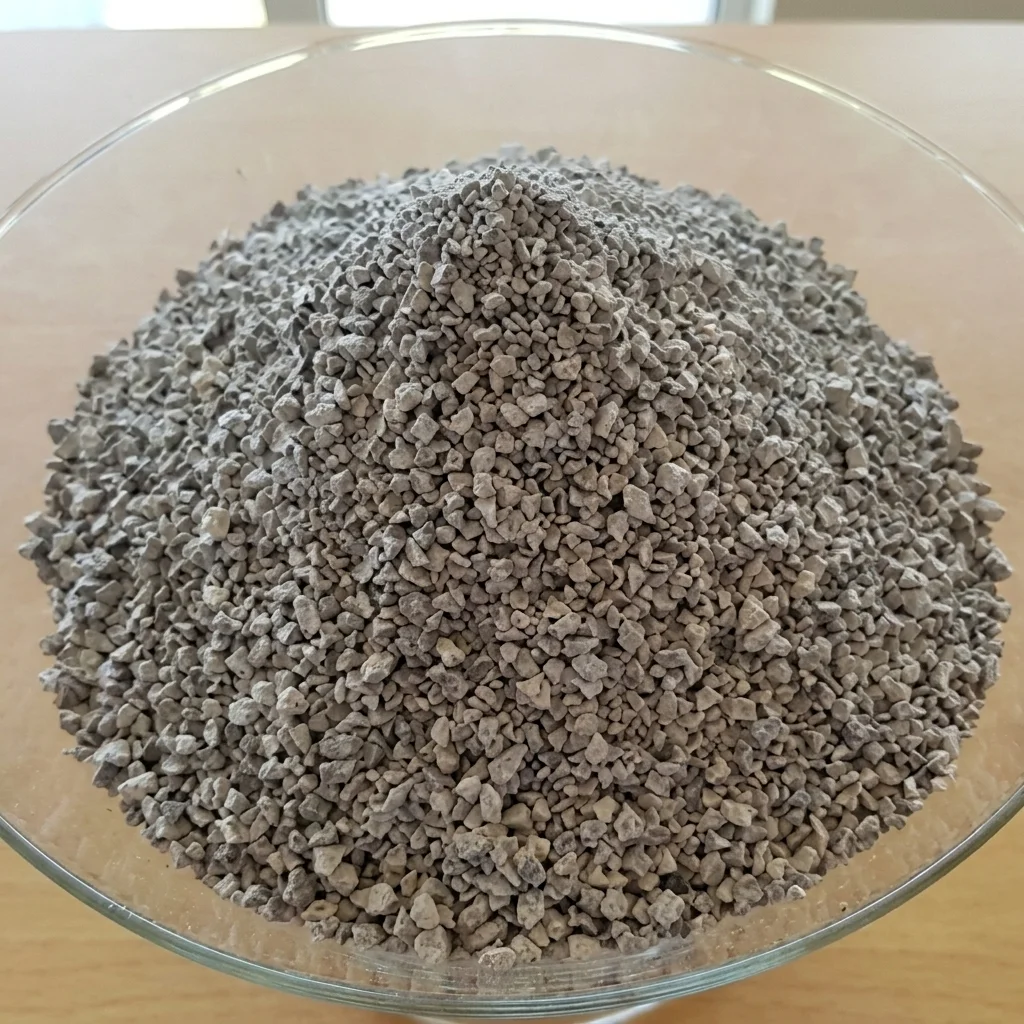 Mines & Minerals
Chemical-grade limestone lumps (95%+ CaCO₃). Sized 25-150 mm. Price on...
Inquire NowSubmit a Buying Requirement at DaaTrade.com
Submit Requirement