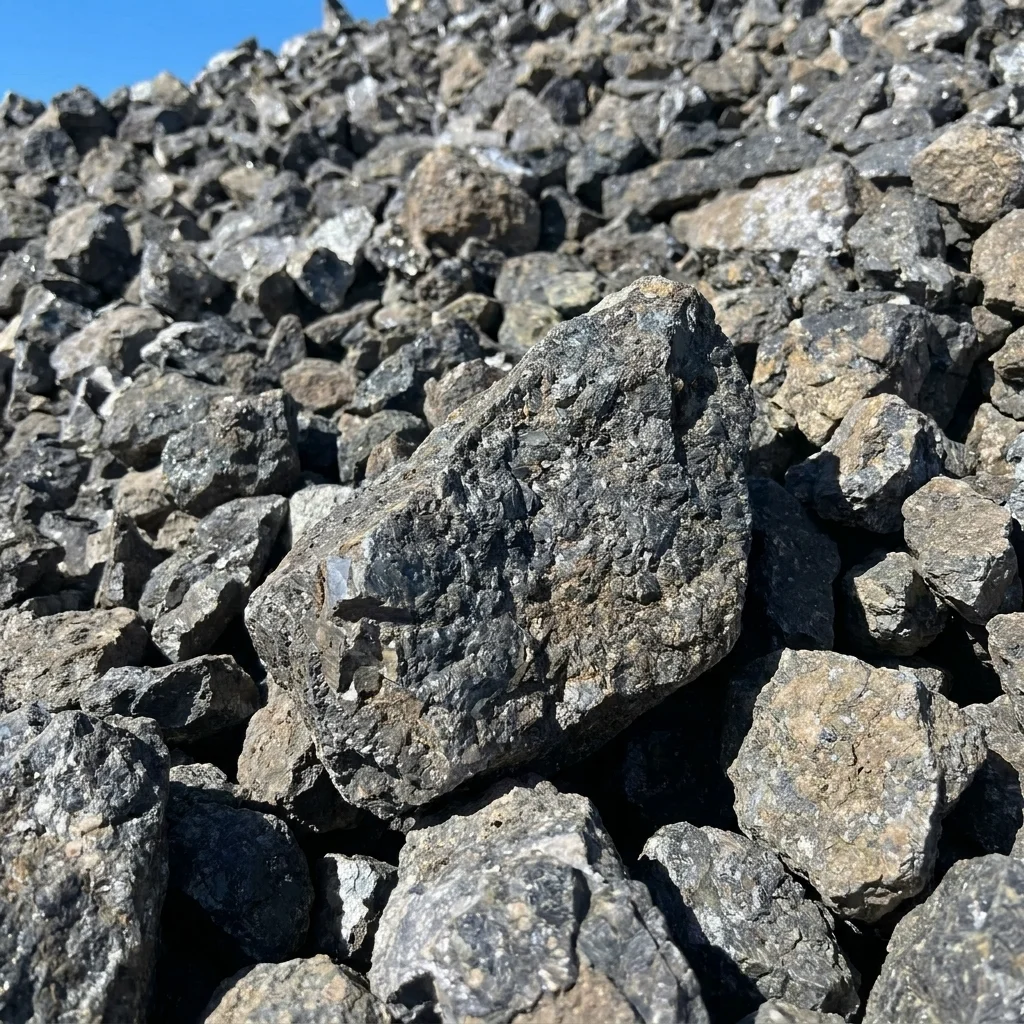
 Mines & Minerals
Medium-Grade Chromite Ore (38–42% Cr₂O₃)
Medium-grade chromite ore lumps and concentrates, 38–42% Cr₂O₃. Mined...
Inquire Now
Find minerals, agricultural goods and more
Beneficiated antimony concentrate from Pakistan, 55-65% Sb, smelter-ready feedstock
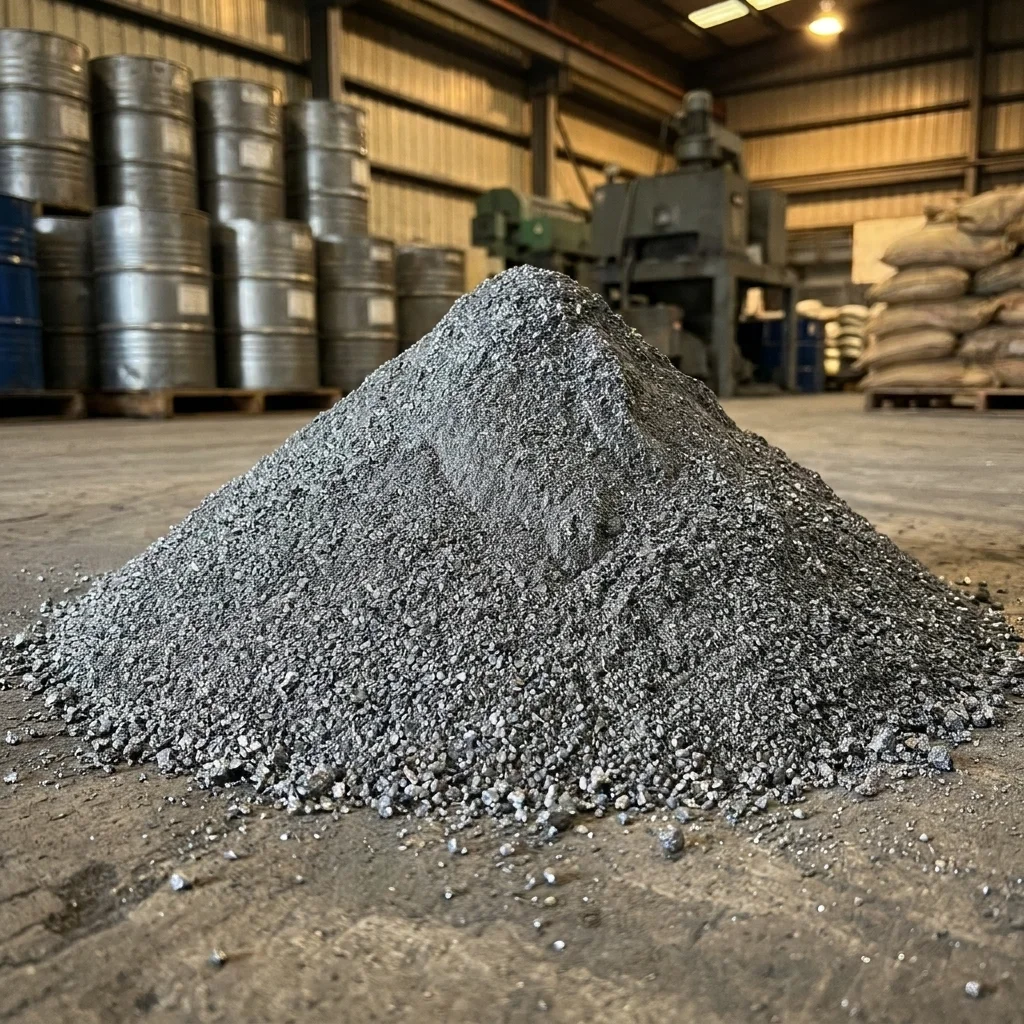
Antimony concentrate, 55-65% Sb. Gravity and flotation produced. Price on inquiry, shipped from Karachi.
| Product Type | Beneficiated antimony concentrate |
|---|---|
| Sb Content | 55-65% (grade-dependent) |
| As | < 0.5% |
| Pb | < 0.5% |
| Fe | 1-4% |
| S | 22-28% |
| SiO₂ | 2-8% |
| Hg | < 50 ppm |
| Moisture | < 3% (dried), 8-12% (filtered) |
Antimony concentrate is produced by beneficiating stibnite (Sb₂S₃) ore through gravity and flotation circuits. The process exploits the high specific gravity (4.6) and hydrophobic surface properties of stibnite to separate it from lighter gangue minerals, producing a fine, dense, silver-grey powder with 55-65% Sb content. Antimony concentrate is the standard smelter feedstock for producing antimony metal, antimony trioxide (ATO), and other antimony compounds. Pakistan’s stibnite deposits are processed at beneficiation plants near the mining areas in Balochistan and Khyber Pakhtunkhwa.
Gravity concentrate: 55-62% Sb (coarser grind, lower cost)
Flotation concentrate: 60-65% Sb (finer grind, higher grade)
Dried powder: < 3% moisture
Filtered cake: 8-12% moisture
Custom moisture levels on request
Antimony trioxide (ATO) production: Concentrate is volatilized or roasted to produce Sb₂O₃, the primary synergist in halogenated flame retardant systems. ATO is added to plastics, textiles, rubber, electronics, cables, and building materials to meet fire safety standards. This is the single largest end-use of antimony globally
Antimony metal production: Concentrate is reduced to antimony metal (99.65-99.90% Sb) by iron precipitation smelting, blast furnace reduction, or electrolysis. Metal is used in semiconductor compounds, thermoelectric devices, and specialty alloys
Lead-acid battery alloys: Antimony from concentrate is alloyed with lead for battery grid production. Pb-Sb alloys improve grid strength and electrochemical cycling performance in automotive and industrial batteries
Lead hardening alloys: Antimony is added to lead for type metal, Babbitt bearing metal, cable sheathing, ammunition, and other applications requiring harder, stronger lead
Flame retardant chemicals: Beyond ATO, concentrate is processed into sodium antimonate (glass and ceramics), antimony pentoxide (intumescent coatings), and other specialty flame retardant compounds
PET catalyst: Antimony trioxide derived from concentrate is used as a polycondensation catalyst in polyester (PET) manufacturing for bottles, films, and fibers
Defense and munitions: Antimony compounds from concentrate are used in explosive primers, tracer ammunition, infrared optics, and night vision devices
Glass decolorizing and opacifying: Antimony compounds are used as fining agents and opacifiers in glass and enamel production
Each lot includes a Certificate of Analysis reporting Sb, As, Pb, Fe, S, SiO₂, Cu, Bi, Hg, Se, moisture, and particle size distribution. Assays are performed by accredited laboratories (ISO 17025). Pre-shipment samples are provided for buyer approval. Third-party inspection (SGS, Intertek, Alex Stewart, or equivalent) can be arranged. Umpire assay provisions are available for large contracts.
| Product Type | Beneficiated antimony concentrate |
|---|---|
| Sb Content | 55-65% (grade-dependent) |
| As | < 0.5% |
| Pb | < 0.5% |
| Fe | 1-4% |
| S | 22-28% |
| SiO₂ | 2-8% |
| Hg | < 50 ppm |
| Moisture | < 3% (dried), 8-12% (filtered) |
1 MT jumbo bags with inner PE liner and discharge spout
50 kg PE-lined polypropylene bags, palletized and shrink-wrapped
25 kg double-lined bags for premium-grade concentrate
Loose bulk in PE-lined 20' or 40' containers
Loading port: Karachi Port or Port Qasim. Containerized shipment is standard for antimony concentrate. The material may be classified under IMDG Code (UN 3077, Class 9) depending on composition and arsenic content. Appropriate hazardous goods packaging, labeling, and documentation are provided. TML certification is provided for any bulk vessel shipments as per IMSBC Code. Incoterms: FOB, CFR, CIF. Documents: Commercial Invoice, Packing List, Certificate of Origin, Certificate of Analysis, MSDS, Dangerous Goods Declaration (if applicable), TML Certificate (bulk), Weight Certificate, Bill of Lading.
Mines & Minerals
Medium-grade chromite ore lumps and concentrates, 38–42% Cr₂O₃. Mined...
Inquire Now Mines & Minerals
 Mines & Minerals
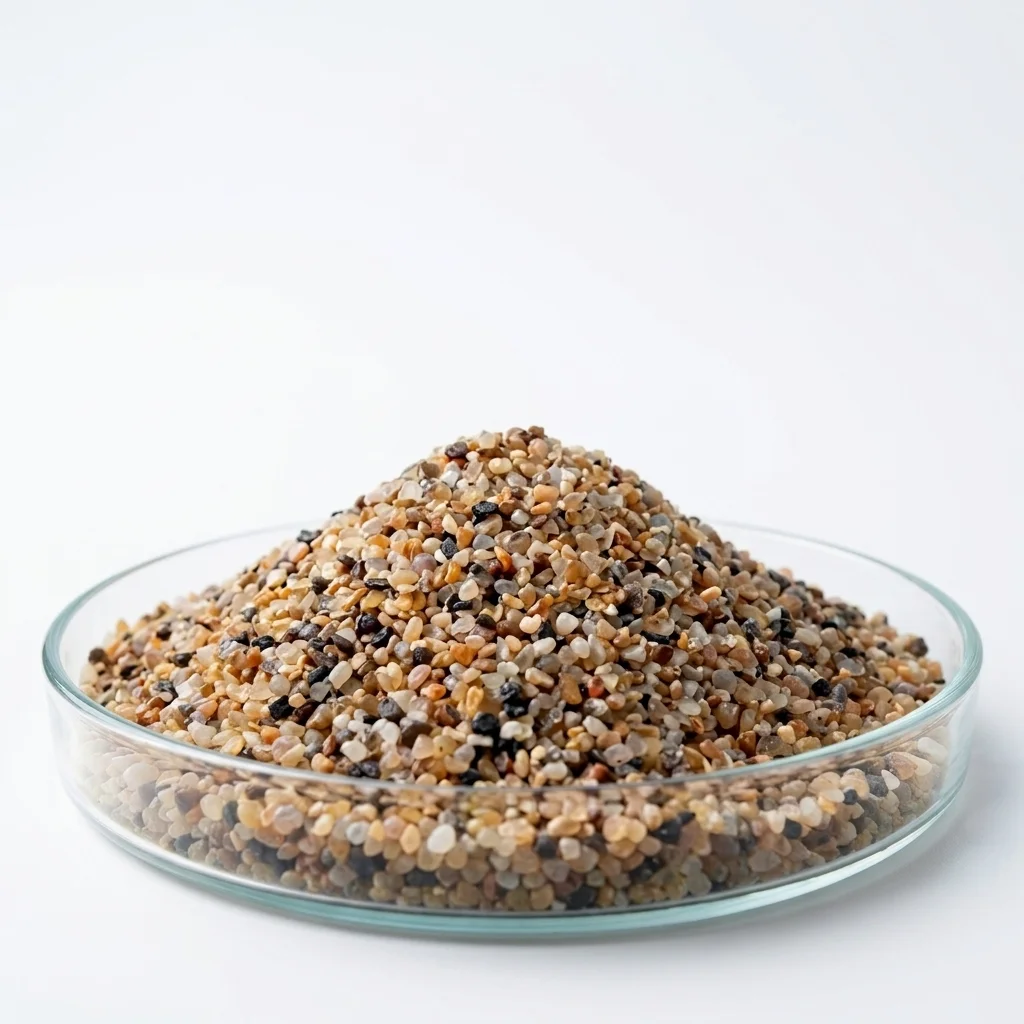
Filtration silica sand, 95-99% SiO₂. 8-16, 16-30, 30-60 mesh sizes. Pr...
Inquire Now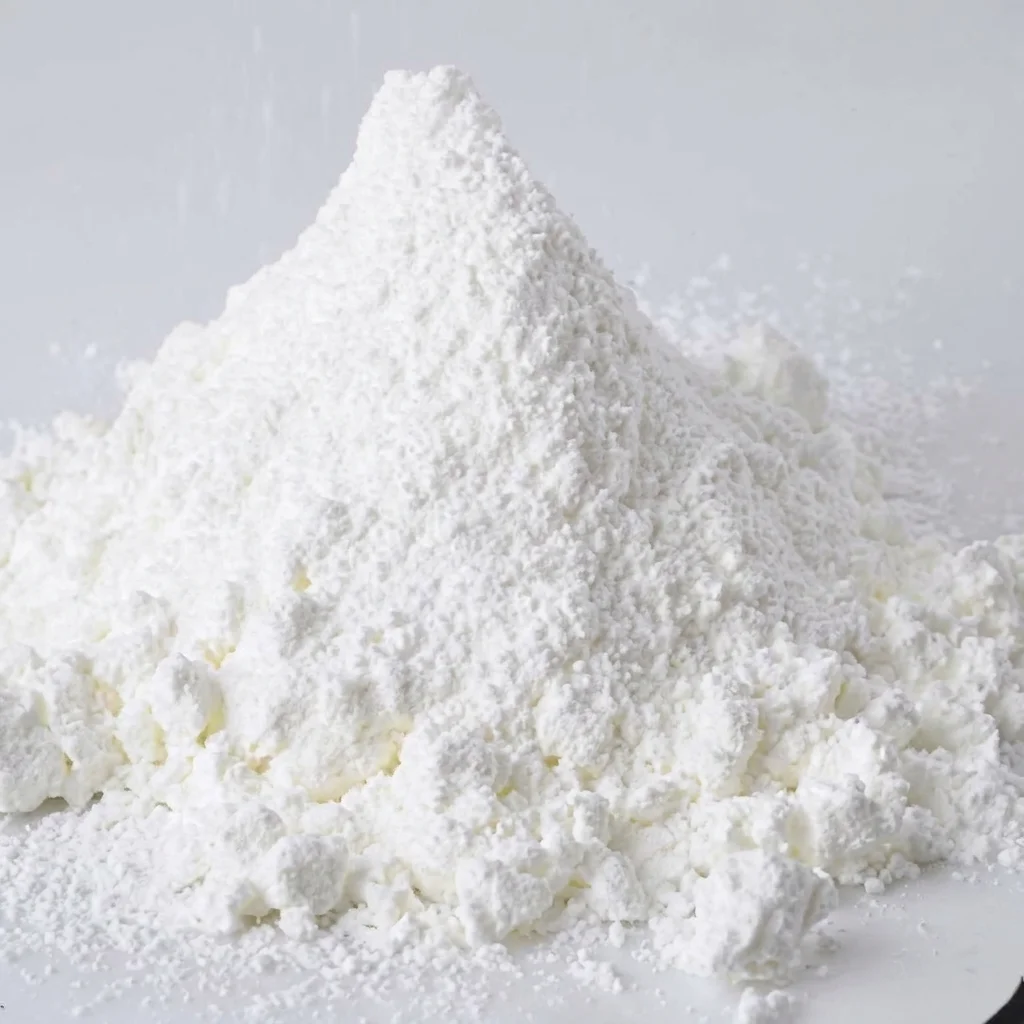 Mines & Minerals
Plaster of Paris (calcium sulfate hemihydrate) powder. Regular and den...
Inquire NowSubmit a Buying Requirement at DaaTrade.com
Submit Requirement