 Herbs and Botanicals
Ephedrae Herba (Ephedra / Ma Huang)
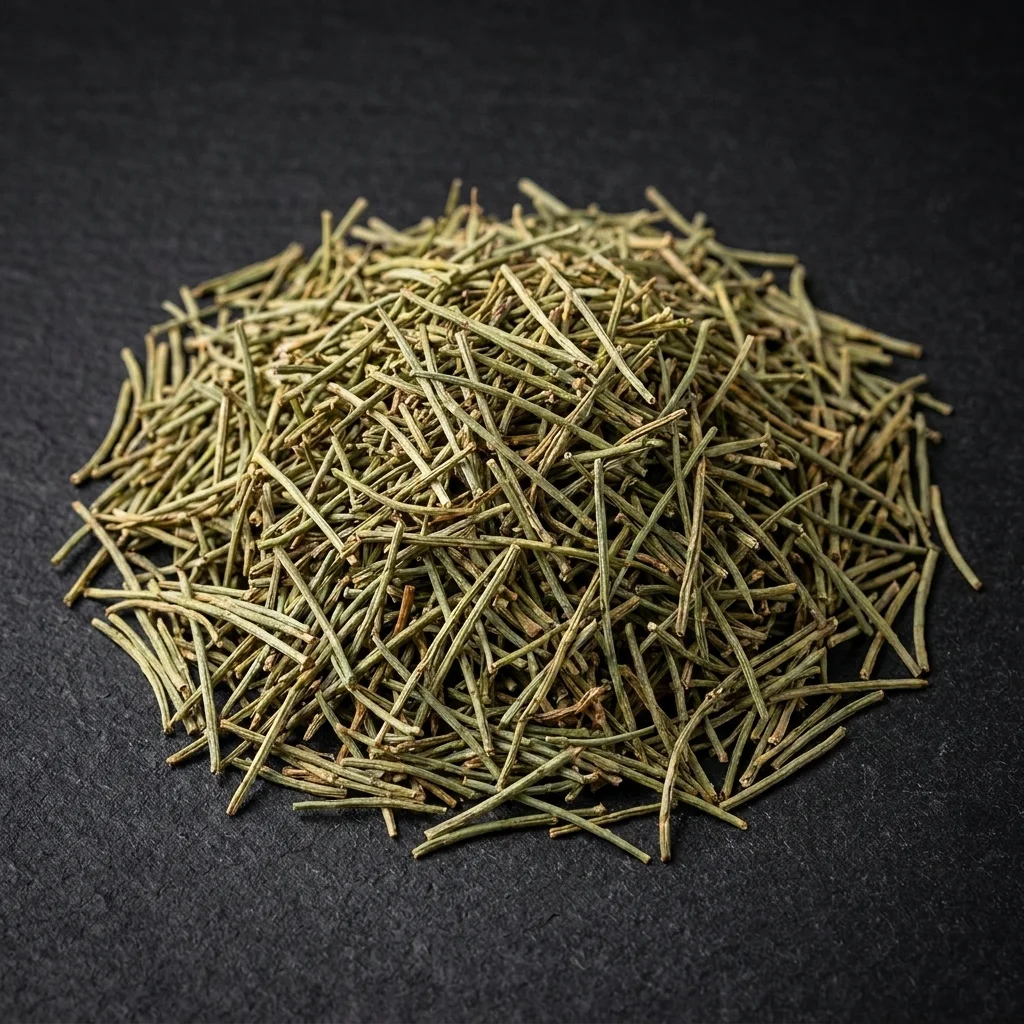
Ephedrae Herba (Ephedra/Ma Huang) from Pakistan. Wild-harvested, dried...
Inquire Now
Find minerals, agricultural goods and more
Wild-harvested sea buckthorn berries from Pakistan’s northern highlands for food, cosmetic and nutraceutical use
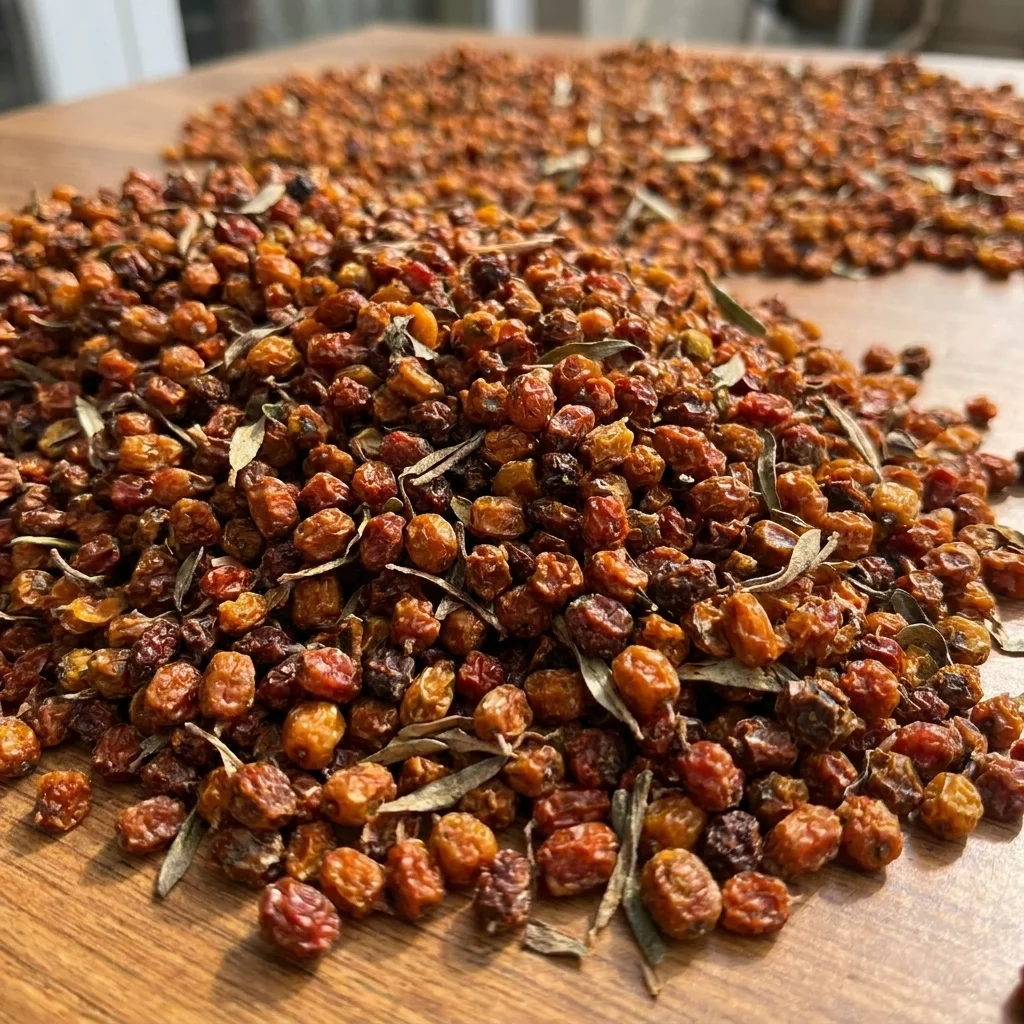
Sea buckthorn dried berries from Pakistan. Wild-harvested from Gilgit-Baltistan and KP highlands. Food, cosmetic and supplement grade. Price on inquiry, shipped from Karachi.
Sea buckthorn (Hippophae rhamnoides) is a deciduous thorny shrub native to the temperate and sub-alpine regions of Europe and Asia. Pakistan’s northern highlands, particularly the Gilgit-Baltistan region, host vast natural populations of sea buckthorn growing wild along riverbeds, mountain slopes, and high-altitude valleys between 2,000 and 4,500 metres. The berries ripen from August to October, turning bright orange when mature. They are harvested by local communities and sun-dried for preservation. Sea buckthorn is classified as a “superfruit” due to its extraordinary nutritional density, containing more vitamin C than oranges, more vitamin E than wheat germ, and one of the rare plant sources of omega-7 (palmitoleic acid).
Botanical Name: Hippophae rhamnoides
Common Names: Sea buckthorn, Himalayan berry, sandthorn
Local Names: Burshung (Balti), Beru (Chitrali)
Plant Part: Dried berries (whole fruit)
Vitamin C: 400-1,500 mg/100g (varies by altitude and ripeness)
Vitamin E (Tocopherols): 100-160 mg/100g
Carotenoids: 30-50 mg/100g (beta-carotene, lycopene, zeaxanthin)
Omega-7 (Palmitoleic Acid): 16-22% of berry oil
Omega-3 (Alpha-Linolenic): 25-35% of seed oil
Omega-6 (Linoleic): 30-40% of seed oil
Omega-9 (Oleic): 13-20% of berry oil
Total Flavonoids: 500-1,200 mg/100g
Protein: 3-8%
Moisture: < 12% (dried berries)
Colour: Orange-red to deep amber (dried)
Taste: Tart, tangy, slightly astringent
Source: 100% wild-harvested (not cultivated)
Altitude: 2,000-4,500 metres
Whole dried berries (sun-dried, with or without leaves)
Cleaned dried berries (de-stemmed, sorted, leaf-free)
Dried berry powder (ground, 80-200 mesh)
Frozen berries (seasonal, cold chain required)
Sea buckthorn berry oil (CO₂ or cold-pressed extraction)
Sea buckthorn seed oil (cold-pressed)
Nutraceutical and dietary supplements: Sea buckthorn is one of the fastest-growing superfruit ingredients in the global supplement market. Berry powder, extracts, and oils are used in capsules, tablets, softgels, tinctures, and functional drink formulations. Key health claims include immune support (vitamin C), skin health (omega-7), antioxidant protection (flavonoids, carotenoids), and cardiovascular support (omega fatty acids)
Functional food and beverage: Dried berries, juice concentrate, and powder are used in superfood smoothie blends, juice drinks, energy bars, trail mix, tea blends, jam, jelly, sauce, and yoghurt toppings
Cosmetics and skincare: Sea buckthorn berry oil and seed oil are premium ingredients in anti-ageing serums, moisturizers, facial oils, lip balms, sunscreen, after-sun care, wound healing creams, and hair care products. Omega-7 (palmitoleic acid) is valued for skin regeneration, mucous membrane health, and anti-inflammatory properties
Pharmaceutical and clinical nutrition: Sea buckthorn extracts are used in registered pharmaceutical products and clinical nutrition formulations for mucosal health, radiation recovery, and dermatological conditions in several countries
Traditional medicine: Used in traditional Tibetan, Mongolian, and Central Asian medicine for treating stomach ulcers, skin conditions, respiratory infections, and general vitality
Natural food colouring: Sea buckthorn’s intense orange colour from carotenoids is used as a natural food colourant in beverages, dairy products, and confectionery
Animal nutrition: Sea buckthorn pomace (extraction residue) and leaf material are used as antioxidant-rich supplements in poultry, equine, and pet nutrition
Each lot includes a Certificate of Analysis reporting vitamin C, vitamin E, carotenoids, fatty acid profile, flavonoids, moisture, ash, heavy metals (Pb, As, Cd, Hg), pesticide residues (wild-harvested, typically nil), and microbiological parameters (TPC, yeast and mould, E. coli, Salmonella). Pre-shipment samples are provided for buyer’s laboratory analysis. Third-party testing (SGS, Intertek, Eurofins) can be arranged.
Detailed specifications are available on request. Send us your requirement and our export desk will share them.
5 kg, 10 kg, 25 kg woven PP bags with PE liner
25 kg multi-wall paper sacks (food-grade)
10 kg or 25 kg vacuum-sealed bags in cartons
500 g, 1 kg retail pouches (stand-up, zip-lock) for private label
Oil: 1 L, 5 L, 25 L, 200 L food-grade containers
Loading port: Karachi Port or air freight from Islamabad/Gilgit airports. Dried berries and powder shipped by sea container (standard, no temperature control needed). Frozen berries require reefer container or air freight. Oil shipped in food-grade containers within standard or reefer containers. Typical load: 8-14 MT per 20ft container (dried berries in bags). Incoterms: FOB, CFR, CIF, DDP. Documents: Commercial Invoice, Packing List, Certificate of Origin, Certificate of Analysis, Phytosanitary Certificate, Health Certificate, Organic Declaration (if applicable), Bill of Lading/Airway Bill.
Herbs and Botanicals
Ephedrae Herba (Ephedra/Ma Huang) from Pakistan. Wild-harvested, dried...
Inquire Now
Herbs and Botanicals
Submit a Buying Requirement at DaaTrade.com
Submit Requirement