
Super Kernel Basmati vs 1121 Basmati: Key Differences for Importers
Anyone importing basmati rice from Pakistan will hear two names more than any others: Super Kernel and 1121. Both are premium varieties grown mainly in Punjab's rice belt, and both are exported worldwide. They are not interchangeable, though. Knowing what separates them helps you avoid mismatches between the variety you order and the market you are supplying.
Origins and Growing Regions
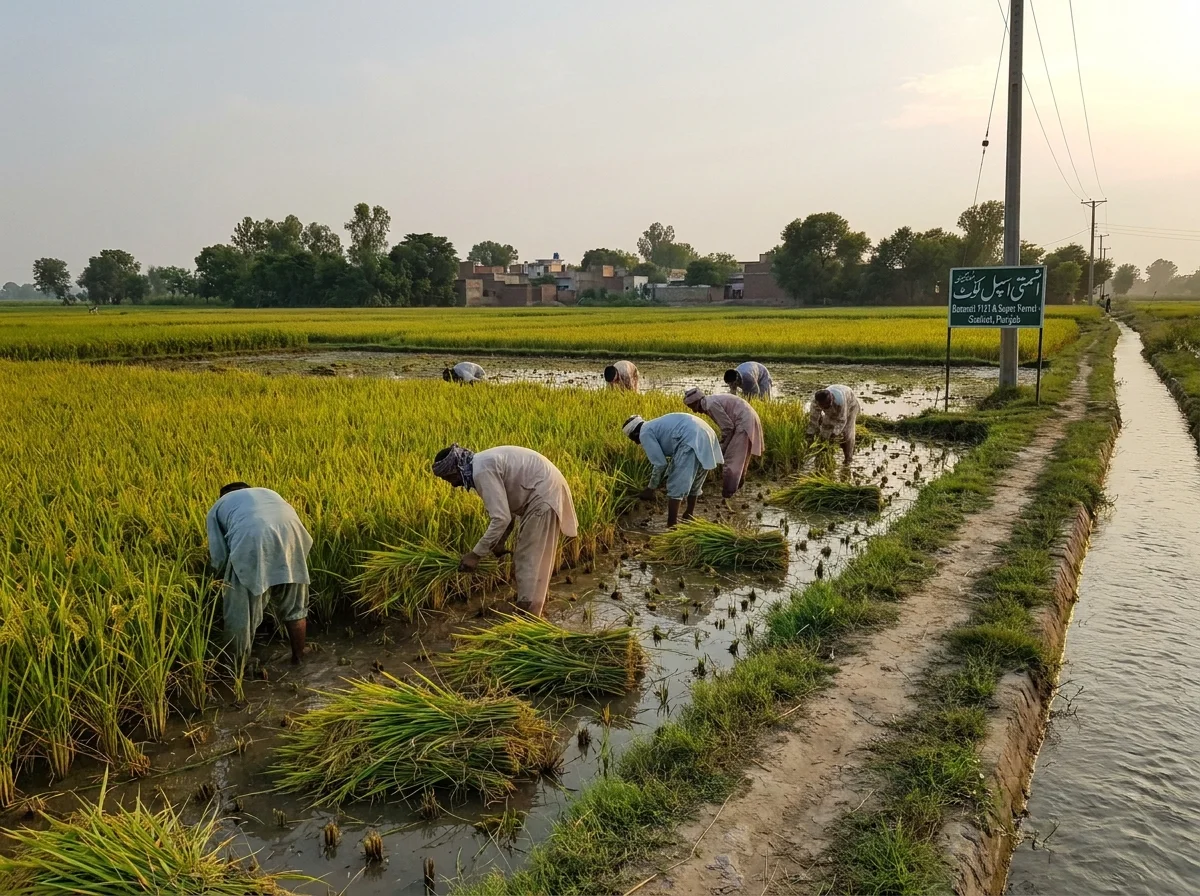
Super Kernel basmati, also called Super Basmati, is Pakistan's heritage export variety. It was developed through breeding programmes in Pakistan and has been grown on the Punjab plains for decades. Its growing areas are closely tied to Gujranwala, Hafizabad, Sheikhupura and the surrounding districts, which are fed by river water from the Himalayan foothills and have the soil and climate that produce authentic basmati quality.
1121 basmati originated in India, through breeding work at the Indian Agricultural Research Institute, and was released in 2003. It was later adopted in Pakistan, where it is known locally as Kainat. Both varieties now grow side by side in Punjab, but they appeal to different buyers depending on the application.
Grain Length and Appearance
This is where the two differ most visibly. Super Kernel typically has an average raw grain length of around 7.5 to 8.0 mm and elongates well on cooking, generally reaching 15 to 17 mm. It has a slender profile with a length-to-width ratio of around 4.5:1.
1121 takes length further. Raw grains average 8.3 to 8.5 mm, and cooked grains can reach 20 to 22 mm in premium grades. That extra length matters commercially, because it is one of the main selling points in retail packaging and foodservice, where the look of the grain influences buying decisions. For markets where length is a key attribute, such as Middle Eastern foodservice, European ethnic retail and premium biryani, 1121 has the edge on appearance alone.
Aroma and Flavour Profile
Aroma is where many importers and culinary buyers prefer Super Kernel. It carries a more pronounced, traditional basmati fragrance, often described as deeper and more complex. That is partly down to the variety's older genetics and partly the region's terroir. Aged Super Kernel, properly stored, has a scent that many chefs and connoisseurs link with classic South Asian cooking.
1121 is aromatic too, but some experienced buyers find its fragrance slightly lighter. Blind tastings rarely produce a unanimous verdict, but the distinction is worth remembering when you supply fragrance-sensitive markets or high-end culinary uses.
Yield and Price Considerations
On the production side, 1121 has clear advantages. Rice industry sources suggest 1121 can yield around 1,800 kg of paddy per acre, compared with about 1,200 kg for Super Kernel. It also has a shorter harvest cycle and, in some conditions, needs fewer inputs.
Those economics show up in trade pricing. Super Kernel typically commands a higher price per tonne than 1121, particularly in premium grades. If you are positioning a product at the top of the basmati category, for example restaurant supply, specialty retail or premium private label, Super Kernel's premium can be justified. For large-volume purchasing where grain length and consistent cooking are the priority, 1121 often offers better value.
Which Variety Should You Import?
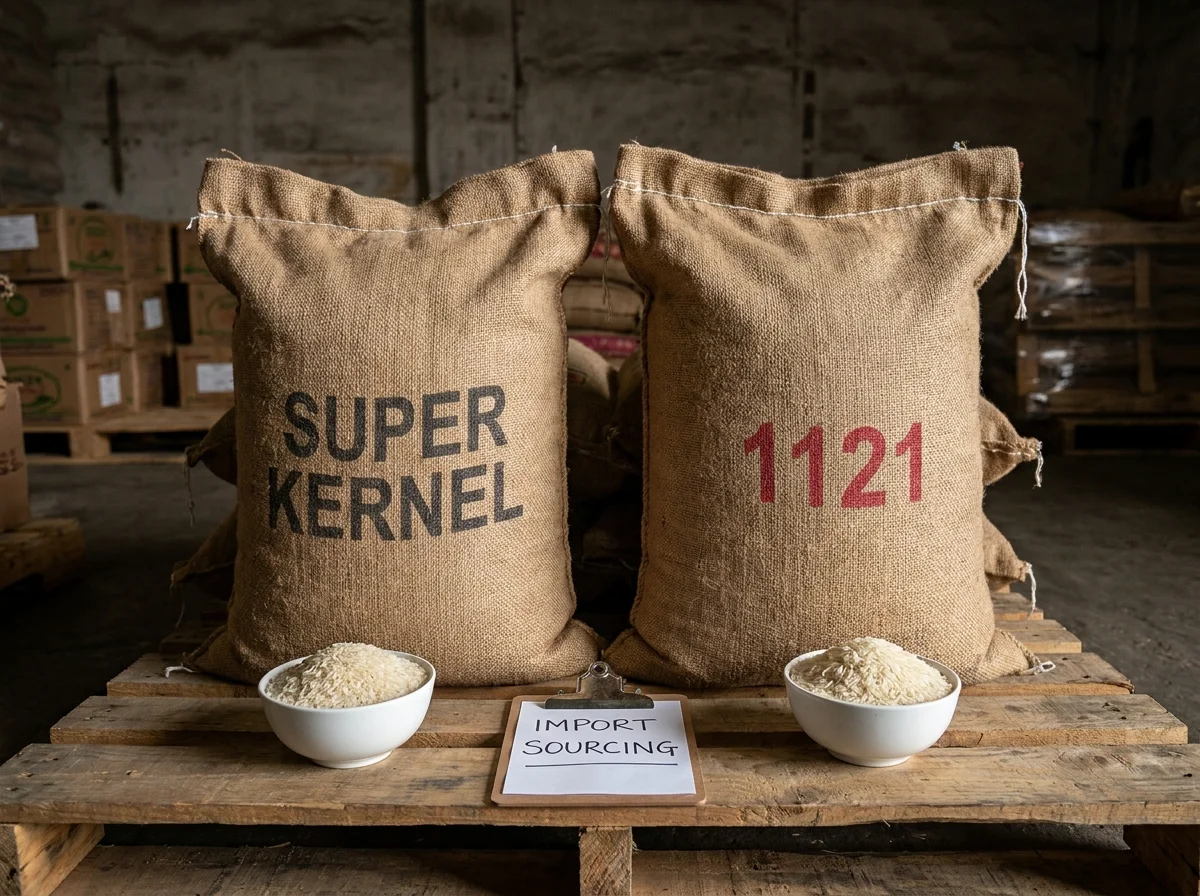
There is no single answer. It depends on your market, your buyers' expectations and your use case. If you supply premium restaurants or specialty retailers and aroma drives the decision, Super Kernel is worth the premium. If you supply large retail chains or foodservice distributors, or serve markets where extra-long grain is a selling point and volumes are substantial, 1121 is usually the more practical choice. Some buyers source both and split them across different channels.
Sourcing Both Varieties from Pakistan
Saremco Impex exports both Super Kernel basmati and 1121 basmati from Pakistan, in raw white and parboiled sella forms. You can request samples or discuss requirements for either variety through saremcoimpex.com.